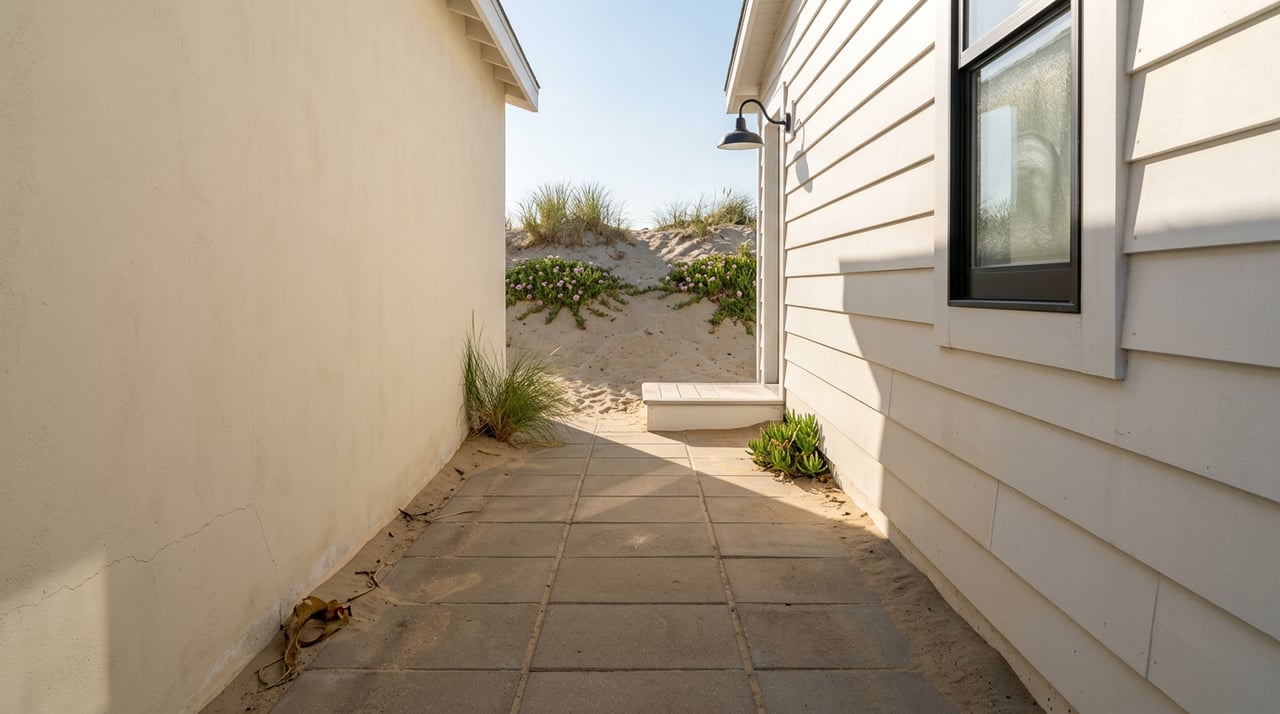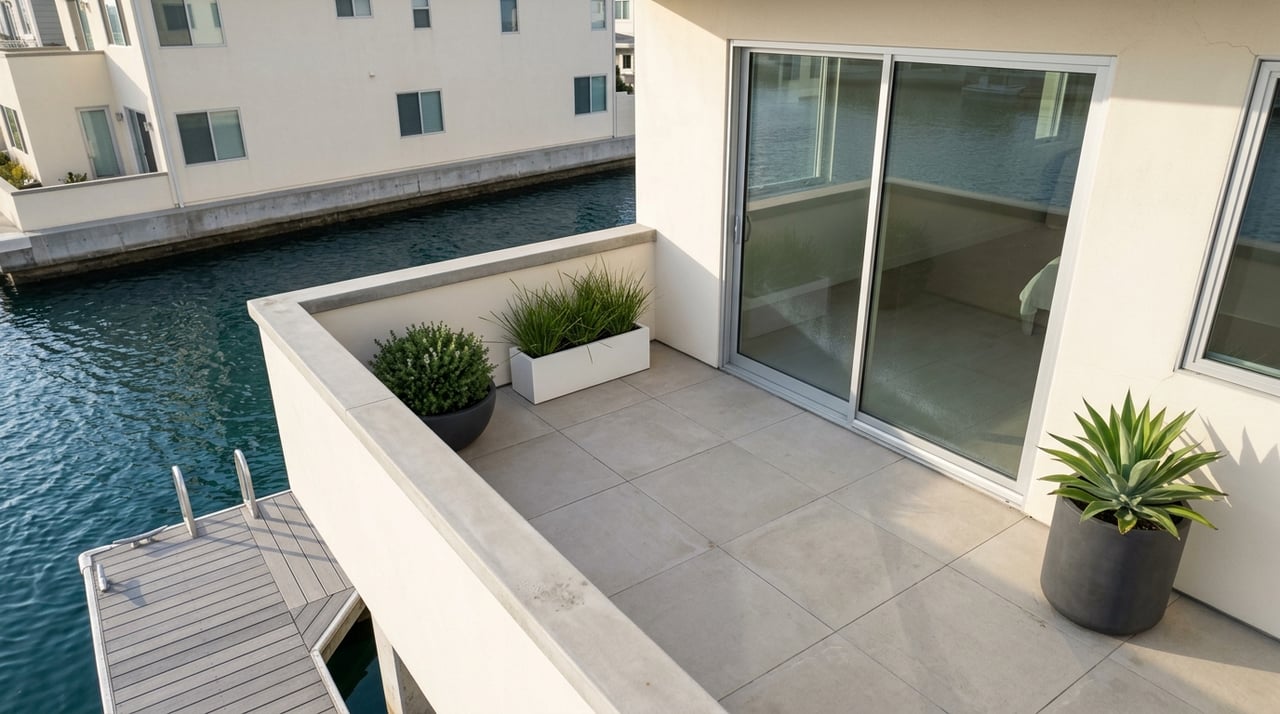
Thinking about trading inland Oxnard for life closer to the water? It is an exciting move, but it is also a different kind of move-up than many buyers expect. You are not just shopping for more space or a new address. In many cases, you are stepping into a higher price tier, a different pace of negotiation, and a lifestyle shaped by marinas, beaches, and harbor access. This guide will help you understand the numbers, the neighborhood differences, and the planning steps that can make your next move feel a lot more manageable. Let’s dive in.
Compare Inland and Harbor Pricing
If you are moving from inland Oxnard toward the harbor, the first thing to understand is the price gap. According to Realtor.com local market data for Oxnard ZIP codes, 93030 is currently a seller's market with a median home sale price of $737,500. In 93035, the market is more balanced, with a median home sale price of $1.20 million.
That means the 93035 median is about 63% higher than 93030 based on the current figures. In practical terms, this is often not a simple move from one Oxnard neighborhood to another. It can mean a major jump in budget, cash needed at closing, and how competitive or negotiable the process feels.
The market rhythm also changes. The same Realtor.com market snapshot shows 93030 with 37 median days on market, while 93035 sits at 50 median days on market, with homes selling about 2.35% below asking on average. That does not mean every harbor-area home is negotiable, but it does suggest you may encounter a different balance between urgency and leverage.
Understand the Harbor Price Range
One reason harbor moves can feel tricky is that 93035 includes a wide range of price points. You are not looking at one uniform market. You are looking at several small coastal and harbor-adjacent submarkets that can vary a lot by location, water access, and housing type.
Using the same Realtor.com local data, current listing medians in nearby coastal areas include:
- Channel Islands: $1.48M
- Silver Strand: $1.4725M
- Hollywood by the Sea: $1.325M
- Oxnard Shores: $1.7455M
- Via Marina: $719,999
This range matters because your move-up plan may not be about reaching one target price. It may be about deciding what tradeoffs matter most to you, such as square footage, water proximity, marina access, beach access, or a lower-maintenance property type.
See Why Harbor Living Feels Different
Harbor living in Oxnard is not just about being near the coast. It comes with a setting that is physically and functionally different from inland neighborhoods. The City of Oxnard describes Channel Islands Harbor as the state's fifth-largest harbor, with 166 acres of water, 126 acres of land, more than 2,500 vessels, four yacht clubs, and nine full-service marinas.
That same city source names Seabridge, Westport, Mandalay Bay, and Harbour Island as residential communities connected to harbor waters. If you are comparing inland Oxnard to the harbor, these communities are helpful examples because they show how a move-up can also be a lifestyle shift. You may be buying access to a marina environment, a waterfront setting, or a neighborhood where boating and harbor activity are part of daily life.
According to Visit Oxnard’s harbor guide, the harbor includes east, west, and peninsula areas, with the west side including Hollywood Beach and residential development, and the east side including Fisherman’s Wharf and Silver Strand Beach. The harbor is also the closest mainland access point to Channel Islands National Park. That mix of recreation, water access, and coastal amenities helps explain why harbor-area pricing often reflects more than the home itself.
Compare Nearby Harbor Areas
Even small geographic changes around the harbor can affect both price and lifestyle. Visit Oxnard notes that Hollywood Beach sits on Harbor Boulevard in Channel Islands Harbor, while Silver Strand is the southernmost beach in Oxnard and has a single entrance and exit via Victoria Avenue.
For you as a buyer, that means two homes with similar size or condition can still feel very different in day-to-day use. One location may put you closer to marina activity, while another may feel more beach-oriented or more tucked away. When you are planning your move-up, it helps to think beyond the house and consider how you want to live once you get there.
Plan the Sale and Purchase Timing
One of the biggest questions move-up buyers ask is simple: Should you sell first or try to buy first? The answer depends on your finances, your comfort with risk, and how quickly you need to move.
The Consumer Financial Protection Bureau recommends thinking about financing before you find the home you want. A preapproval letter can help show sellers that you are serious, while still leaving you free to compare lenders. For Oxnard homeowners trying to move from inland to harbor, that early prep is especially important because the next purchase may require faster decisions and larger cash needs.
A good move-up plan usually starts with a few core questions:
- How much equity do you expect from your current home sale?
- How much cash do you have available beyond that equity?
- Can your budget support a harbor-area purchase at current price levels?
- Are you comfortable making an offer that depends on selling your current home?
If you are not sure yet, that is normal. The key is to run those numbers before you start touring homes seriously.
Budget for Closing Costs and Insurance
When buyers stretch from inland pricing into harbor pricing, monthly payment is only part of the picture. The CFPB says closing costs typically run about 2% to 5% of the purchase price, separate from the down payment.
On a $1.20 million purchase, that means you could be looking at roughly $24,000 to $60,000 in closing costs before down payment funds are even added in. That is a big reason why move-up planning needs to happen early. A purchase that looks possible on paper can feel different once those added costs are included.
The same CFPB guidance also suggests getting an informal insurance estimate before committing in higher-risk areas. For waterfront and near-water Oxnard homes, that is a smart step. It helps you avoid surprises and gives you a clearer picture of your true monthly and upfront costs.
Use Contingencies Carefully
When you are buying and selling at the same time, contingencies matter. The CFPB homebuying guidance recommends making offers contingent on financing and a satisfactory inspection.
For a move-up buyer, those protections can be even more important. Your purchase may depend on the sale of your current home, your financing approval, and the condition of the next property. If one piece changes, you want options that help you avoid being locked into a bad situation.
This is also where harbor-specific details can matter. In marina-linked or association-based communities, it is wise to review community rules, documents, and any property-specific obligations where applicable. In some Oxnard harbor neighborhoods, buyers may want extra clarity on issues tied to docks, seawalls, or CC&Rs before moving forward.
Consider a Buy-Before-Sell Path
Some homeowners ask whether they can buy first and sell later. In some cases, yes, but it depends heavily on your financial profile. The CFPB regulations overview notes that temporary bridge loans do exist as a special-purpose short-term product.
That said, a bridge loan is not a one-size-fits-all answer. It is better viewed as a lender-specific tool that may help in certain situations, rather than a default strategy. If you are considering that path, you will want to weigh the costs, timing pressure, and how much payment overlap you can comfortably handle.
For many Oxnard move-up buyers, the safer first step is getting preapproved, estimating net proceeds from the current home, and building a realistic budget range for the harbor purchase. Once those pieces are clear, your options usually become easier to compare.
Focus on Fit, Not Just Price
It is easy to get pulled toward headline numbers, especially when the jump from inland Oxnard to the harbor is so noticeable. But the best move-up decisions usually come down to fit. You may decide that a certain harbor location is worth the premium because of water access, marina surroundings, or a specific property style. Or you may decide a nearby option gives you more flexibility while still getting you closer to the coast.
That is why local context matters so much in Oxnard. A move from inland to the harbor is rarely just about buying a larger home. It is about matching your budget, timing, and lifestyle goals to a coastal market that has more variation than it first appears.
If you are weighing that next step, working with someone who understands both the inland-to-coastal price jump and the practical details of harbor-area properties can make the process a lot smoother. When you are ready to map out the numbers, timing, and neighborhood options, connect with Eric Swartz for guidance tailored to your Oxnard move-up plan.
FAQs
How much more does moving from inland Oxnard to 93035 usually cost?
- Based on current Realtor.com Oxnard market data, the median home sale price in 93035 is $1.20M versus $737,500 in 93030, which is about a 63% increase.
What makes Channel Islands Harbor neighborhoods different from inland Oxnard neighborhoods?
- According to the City of Oxnard and Visit Oxnard, the harbor area includes marinas, yacht clubs, beaches, residential waterfront communities, and access to boating and recreation that can influence both lifestyle and pricing.
Can you buy a harbor-area home before selling your current Oxnard home?
- It may be possible, but the CFPB says you should prepare financing early, and special-purpose short-term options like bridge loans can exist depending on the lender and your financial situation.
What closing costs should you expect on an Oxnard harbor move-up purchase?
- The CFPB says closing costs typically run about 2% to 5% of the purchase price, so on a $1.20M home that could be about $24,000 to $60,000, separate from the down payment.
What should you review when buying in an Oxnard marina-linked community?
- Along with financing and inspection contingencies recommended by the CFPB, you should also review applicable association documents or community rules carefully in harbor-connected areas where property obligations may be more detailed.