Thinking about selling your Mandalay Bay dock home but not sure where to start? Waterfront listings in Oxnard’s Channel Islands Harbor shine when you answer buyer questions up front, show the boating lifestyle clearly, and manage risk around docks and seawalls. You want fewer surprises, faster timelines, and a better sale price. This guide gives you a clear, step-by-step plan to get market ready. Let’s dive in.
Why Mandalay Bay dock homes need a plan
Mandalay Bay’s canal neighborhood dates to the late 1960s and 1970s, with roughly 700 to 750 homes along about seven miles of waterways. The City of Oxnard’s Mandalay Bay seawall program tracks condition and repairs, and buyers know to ask about it, so you should too. You can review the City’s monitoring and project updates on the City’s Mandalay Bay seawall page to understand current context and timelines. See the City’s seawall information on the Mandalay Bay seawall updates.
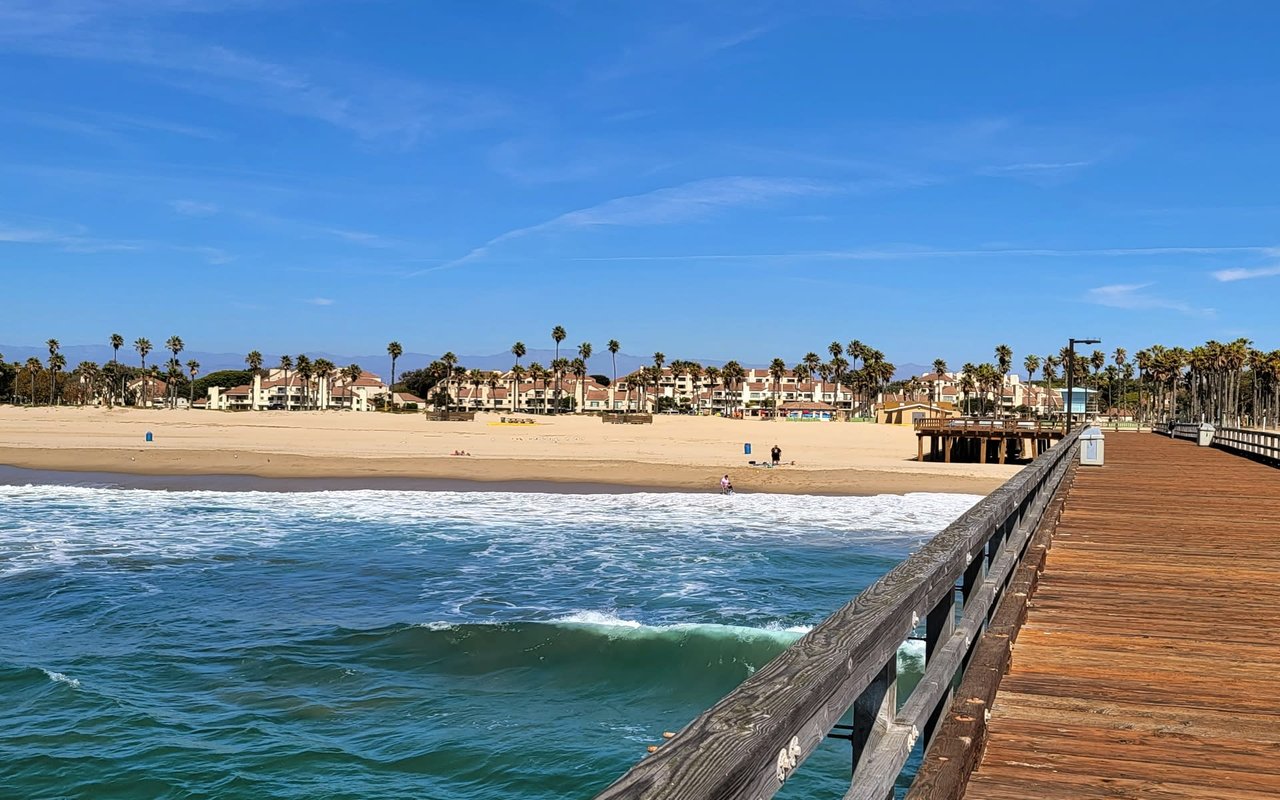
The harbor itself runs at a slow, no-wake pace. County harbor rules set a 5 MPH limit inside the harbor, and buyers often ask about guest slips and how patrol works. You can point them to the Channel Islands Harbor navigation guidelines for clear, official information about operations and contacts. Review harbor operations on the Channel Islands Harbor navigation page.
Maintenance dredging also shapes buyer confidence. The U.S. Army Corps of Engineers has performed dredging at Channel Islands Harbor as part of an ongoing program, which helps maintain navigable depth and safe access. You can reference the Corps’ context in this Channel Islands Harbor dredging overview.
Gather the right documents first
Create a single digital folder that you can share with buyers. Organizing early shortens contingencies and builds trust.
- Waterways Assessment District records. Include assessment history and recent inspection reports, so buyers understand district fees and reserves. Find district information under Waterways Assessment Districts on the City’s site: Oxnard WAD documents.
- Seawall and dock reports. Add any engineering, diver, or monitoring reports that note remaining service life or recommended repairs. Buyers, lenders, and insurers will ask for these.
- Permit history and recorded easements. Pull building permits plus any Coastal Development Permits or federal permits tied to past dock or seawall work. Include recorded dock easements and wharfage documents so transfer terms are clear. For background on local wharfage and easements, see CIWHA resources: Dock and easement resources.
- Marine survey of the dock. A licensed marine surveyor should document piling type, deck condition, fasteners, lift capacity, cleats, and shore-power details.
- WDO/termite report. Coastal timber elements often trigger lender requests. California maintains standardized forms and licensing through the Structural Pest Control Board: California WDO information.
- Flood and elevation paperwork. Provide any elevation certificate and FEMA designation, plus your recent insurance declarations if available.
- Channel depth notes. If your fairway had recent dredging or shallow spots, include dates and sponsors. Buyers will ask about depth at mean low tides and turning room. For program context, reference the Army Corps’ dredging updates listed above.
Line up smart pre-listing inspections
Having third-party professionals inspect key waterfront elements reduces risk and speeds up underwriting.
- Seawall or bulkhead engineering review. Hire a coastal or structural engineer. If there are signs of footing or toe issues, an underwater diver inspection is standard.
- Dock and piling survey. A licensed marine surveyor should rate piles, caps, fasteners, and deck loads, and confirm cleats and lift capacity.
- Marine electrician review. Ask for a check of shore-power pedestals, GFCIs and ELCIs, and grounding to reduce electric-shock hazards. Industry updates to the National Electrical Code highlight these marina safety needs. See a summary of recent NEC changes in this article on marina electrical safety: Key NEC updates for marinas.
- WDO/termite inspection. Use a California-licensed provider familiar with overwater and coastal structures. Learn about licensing and reporting at the Structural Pest Control Board: California WDO information.
Handle admin early
- Pull the full permit history. Confirm whether previous dock or seawall work had required coastal or federal permits. Unpermitted work often becomes a negotiation point.
- Check for active City projects near your home. If a seawall repair pilot or similar work is scheduled, the City or CIWHA may require you to remove boats or dock items for short periods. Review the CIWHA update on the Hemlock seawall project for an example of how these notices look: Hemlock seawall project update.
Anticipate red flags buyers and lenders target
- Seawall toe scour or backfill loss. Underwater soil loss can lead to panel or pilaster damage. Engineer diver surveys are the standard to define risk and remaining life. See the City’s Mandalay Bay seawall page for context on monitoring and pilot repairs: Seawall monitoring and repairs.
- Concrete spalling and exposed rebar. Active corrosion often leads to recommended structural repairs.
- Timber piling deterioration. Marine borers attack in the splash zone first, so piling ratings matter.
- Corroded fasteners or loose connectors. Salt air accelerates corrosion on docks and overwater decks.
- Shore-power hazards. Missing or failed GFCI and ELCI protection, or improper bonding, will draw attention. A marine electrician can resolve many issues noted during buyer inspections. See the NEC update overview above for why this matters.
- Missing permits or unclear dock transfer terms. Title and easements should confirm that the dock transfers with the lot and spell out maintenance responsibilities.
Prepare for insurance and lending questions
Flood zones, elevation, and coastal exposure shape both insurance and lending. Expect requests for an elevation certificate, FEMA designation, and proof of seawall and dock condition. If you can provide recent engineering and marine survey documentation, you reduce financing friction and speed up appraisal and underwriting.
Nail your photos and drone work
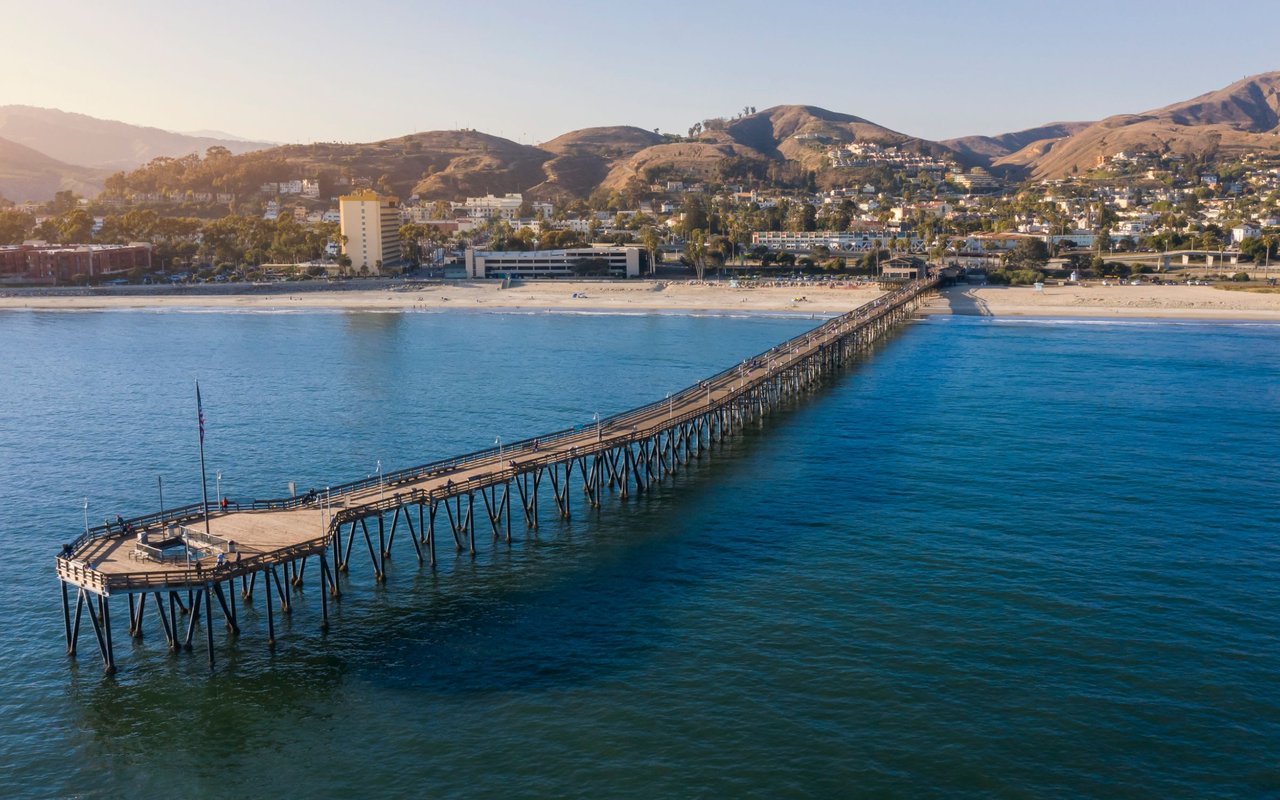
Great visuals help buyers understand approach, turning room, and lifestyle. Aerials are especially effective for main-channel homes.
- Hire a qualified drone pilot. Real estate shoots are commercial operations under FAA Part 107, which requires a Remote Pilot Certificate, registered equipment, and Remote ID compliance. If controlled airspace applies, pilots should use LAANC and check NOTAMs before flight. Learn more on the FAA’s Part 107 page: FAA commercial drone guidance.
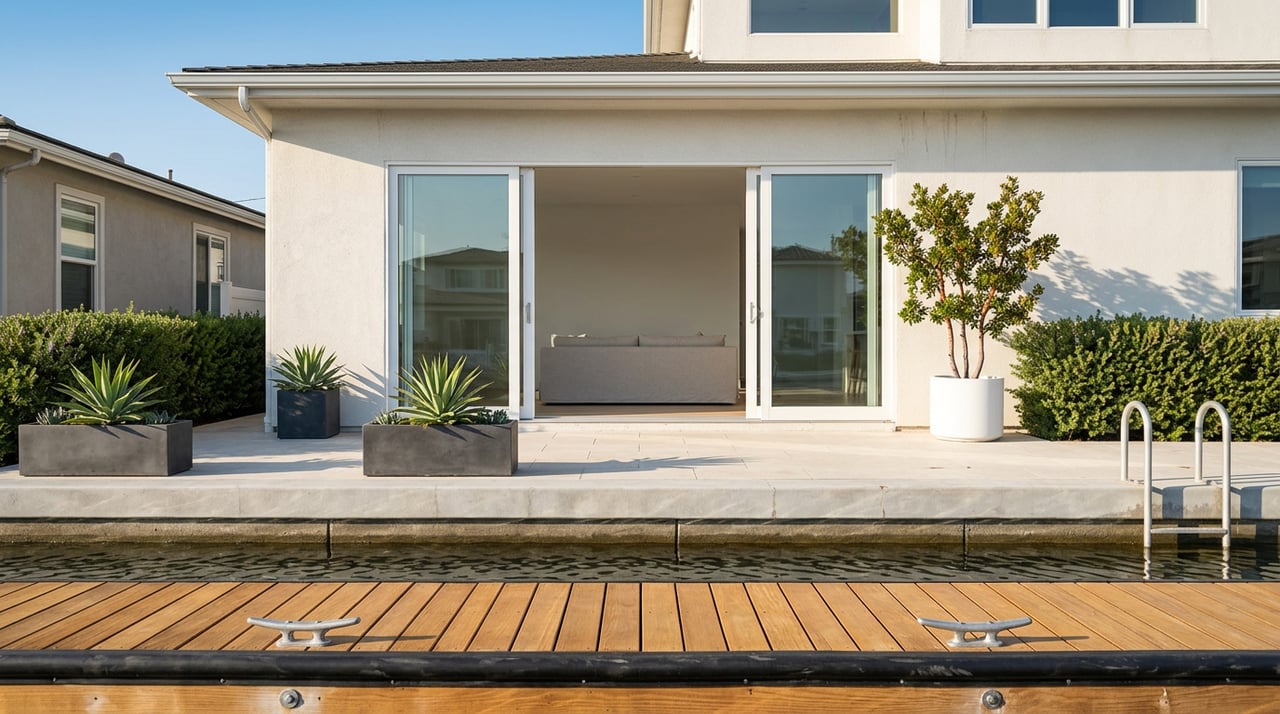
- Capture the right shots. Ask for an aerial that shows your home’s position on the main channel, the approach corridor, and nearby beaches or the harbor entrance. Get waterline shots that show dock length, cleats, and shore power. Include images at a representative low tide to show usable depth.
- Go pro on interiors and twilight. Professional HDR interiors and twilight exteriors showcase sightlines from living spaces and the primary suite. NAR research supports the impact of professional media on buyer engagement. See NAR’s staging research for how presentation drives interest: Why staging and visuals matter.
Stage for boaters and non-boaters
You want every buyer to see how the space lives, whether they own a boat or just love the water. Keep styling clean, functional, and safe.
For boaters:
- Clear the dock of loose clutter and non-marine items. Keep safety gear visible and tidy.
- Highlight specs buyers ask about: dock LOA, max beam, lift capacity, shore-power amperage, and water or lighting.
- Present the dock as an entertaining zone. Add a neat bench, marine-grade cushions, and subtle lighting, without blocking inspection of structure and fasteners.
For non-boaters:
- Emphasize outdoor living on the dock and patios. Set a dining vignette or lounge seating to show the dock as an extension of the home.
- Neutralize heavy “nautical clutter.” Keep one small, tidy vessel only if it clarifies scale and transfer terms.
If a City project is scheduled nearby, note any required removal windows for boats or dock items in your disclosure packet to avoid last-minute showing conflicts.
Build a timeline that works
- 6 to 18 months out. If you suspect major work, order a seawall engineering review, and discuss district timelines and permit needs. Large coastal projects often require multiple agency approvals, which can take months. For background, see the City’s Mandalay Bay seawall information: Program overview.
- 3 to 6 months out. Complete the marine survey, WDO inspection, and a marine electrical check. Order an elevation certificate if needed. Pull permits, WAD reports, and get bids for any repairs you plan to complete.
- 0 to 6 weeks out. Finalize staging. Schedule pro interiors, exteriors, and drone aerials. Publish your organized disclosure folder and plan a broker preview. Use twilight and golden hour for hero images.
Avoid common deal-breakers
- Unpermitted work. Missing coastal or federal permits on past dock or seawall projects can stall a deal. Resolve or disclose early.
- Assessment surprises. Buyers expect clarity on Waterways Assessment District levies and reserves. Share the WAD documents so they can review fees and inspections: Oxnard WAD information.
- Unclear dock transfer terms. Provide recorded easements and wharfage documents. For local context, see CIWHA’s resources: Dock and easement resources.
- Insurance friction. Offer elevation data, recent insurance declarations, and current engineering reports to support underwriting.
If you want a tailored game plan for your home, I’m here to help. From organizing the right seawall and dock documents to staging and Part 107 media, you will have a clear path to market. Reach out to schedule a walkthrough and pre-list consult with Eric Swartz, LIV Sotheby’s International Realty.
FAQs
What documents do Mandalay Bay buyers expect to see?
- Provide WAD assessment history, recent seawall or dock engineering reports, recorded dock easements and permits, a marine survey, WDO report, elevation certificate, and any dredging or depth notes.
How do Channel Islands Harbor rules affect my sale?
- Buyers ask about no-wake and 5 MPH rules, guest slips, and harbor patrol contacts, so include a simple summary and a link to official harbor guidance in your disclosure packet.
Do I need a drone for my Mandalay Bay listing?
- Aerials help show approach, turning room, and proximity to the harbor entrance, so they are recommended, and the pilot must follow FAA Part 107 rules for commercial flights.
Should I fix dock or seawall issues before listing?
- Get an engineer and marine surveyor to define scope and cost, then decide whether to repair pre-list or disclose and price accordingly, based on timelines and market goals.
How do I stage my dock if buyers are not boaters?
- Treat the dock as an outdoor room with simple dining or lounge setups, declutter nautical gear, and use durable, low-maintenance materials to highlight easy waterfront living.