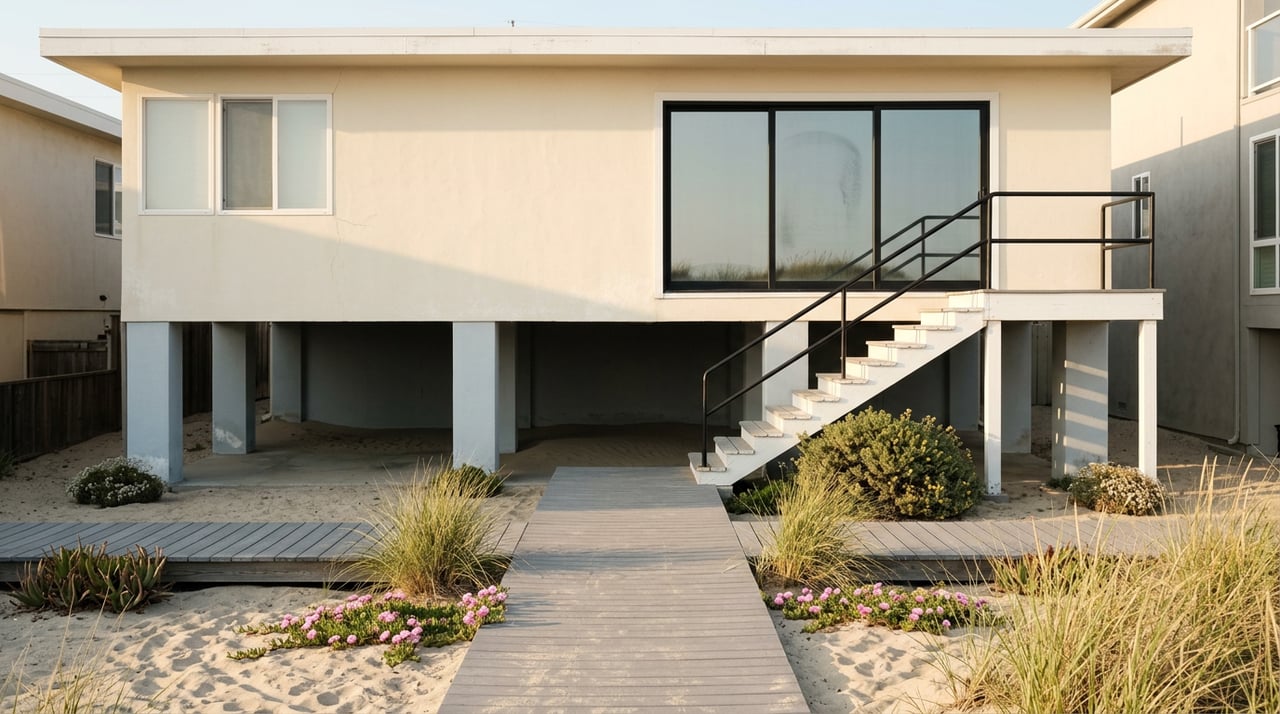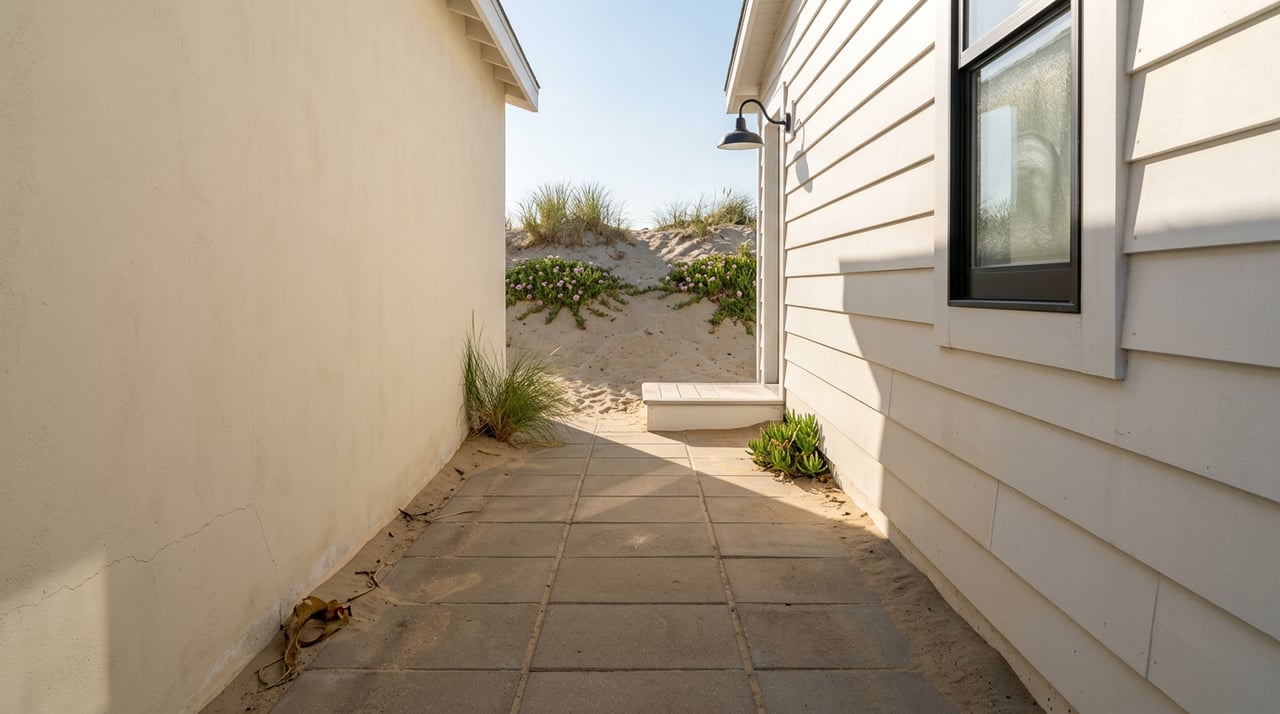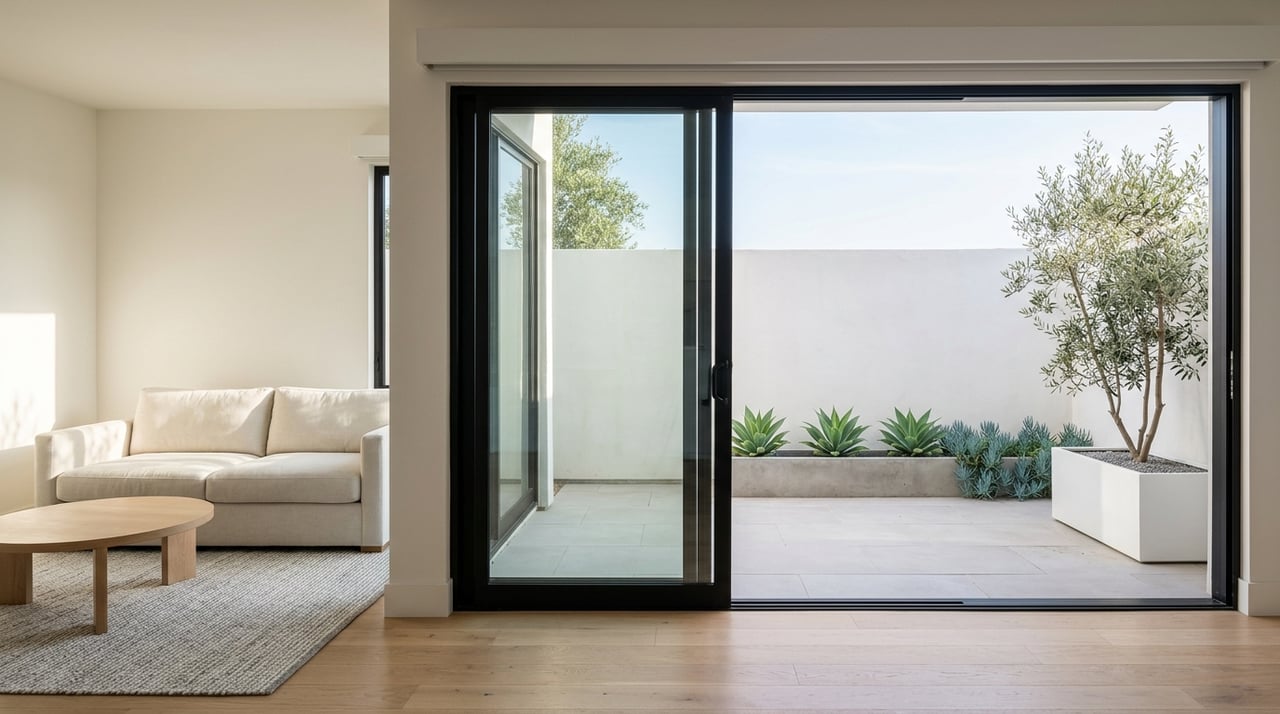
Wondering whether your Oxnard coastal home needs a big makeover before it hits the market? In most cases, it does not. What it does need is smart prep that fits the realities of coastal living, from salt air and marine layer light to disclosures and records that buyers may expect. If you want your home to show well, feel well cared for, and inspire confidence from day one, this guide will walk you through the steps that matter most. Let’s dive in.
Why coastal prep matters in Oxnard
Oxnard’s market gives you opportunity, but it also rewards thoughtful presentation. Recent market trackers placed local home values in the mid-to-high $700,000s, with Redfin reporting a median sale price of $777,535 in May 2026 and Zillow reporting an average home value of $765,773 and a median sale price of $771,667 as of April 30, 2026. Redfin also reported about 42 days on market, which is a useful reminder that condition, pricing, and presentation still matter.
For coastal sellers, prep is about more than looks. Oxnard’s Local Coastal Program is being updated to address coastal hazard risks and sea-level-rise planning, and the city’s hazard mapping includes storm-wave flood event areas tied to storm surge and erosion pathways. That means buyers may pay close attention to upkeep, records, and any visible shoreline or exterior improvements.
Start with the exterior
Your exterior often tells buyers how the rest of the home has been maintained. In a coastal environment, small issues can stand out fast because salt spray and moisture tend to leave visible wear. A clean, crisp exterior helps your home feel cared for before a buyer ever steps inside.
NOAA notes that salt spray can corrode building materials, and moisture can speed material decay. That is why basic exterior cleanup is one of the highest-value steps you can take before photos or showings. Even simple touch-ups can change how buyers read the property.
Focus on salt and corrosion
Start with a deep wash of the surfaces buyers will see first. This includes siding, trim, windows, sliding doors, screens, railings, patio furniture, and hardscape. Removing salt residue helps brighten the home and can make the finish look newer.
Then look closely at all the little details. Rusted hardware, corroded light fixtures, cracked or peeling caulk, and worn paint can suggest deferred maintenance, even when the larger systems are fine. Replacing or repairing these items can create a stronger first impression without taking on a major project.
Check decks, gates, and railings
Coastal wind and moisture tend to hit exposed features the hardest. Pay special attention to decks, balconies, gates, fences, and metal railings. These are areas where buyers often notice rust, soft wood, or weather wear quickly.
If vegetation has grown too close to the house or hardscape, trim it back. In a coastal setting, a tidy exterior usually reads better than heavy landscaping because it makes the property feel cleaner, more open, and easier to maintain.
Gather records for shoreline features
If your property includes dock access, a seawall, balcony work, or other shoreline improvements, pull together maintenance records and permits early. In Oxnard’s coastal market, organized documentation can help your listing feel more credible and reduce uncertainty.
This is especially relevant for marina and waterfront homes, where buyers often want practical answers about visible improvements and ongoing upkeep. If you can show that records are available from the start, you help create a smoother conversation later.
Make the most of natural light
Lighting can make or break a coastal listing. Along the California coast, marine layer clouds are common, especially from April through August, and low clouds and fog often return in the morning and evening. In Oxnard, that means you want your home ready to look bright even when outdoor light is soft.
Clean glass is one of the easiest wins. Windows, sliders, and glass doors should sparkle so they bring in every bit of available light. Bright interiors matter even more when the view is softened by fog or cloud cover.
Time photos carefully
If possible, schedule listing photos for the part of the day with the best natural light rather than defaulting to early morning. This can be especially important for exterior shots and view-facing rooms. A well-timed photo session can help your home look clearer, warmer, and more inviting online.
Before photos, open window coverings and pull back heavy drapery. The goal is to make the home feel connected to the patio, terrace, marina, water view, or outdoor space, not closed off from it.
Stage for views and flow
You do not need to create a theme-heavy beach house to sell a coastal home well. In fact, a lighter, simpler approach usually works better. Buyers want to picture their own life in the space, and staging helps them do that.
Research from NAR in 2025 found that buyers’ agents most often saw the living room as the most important room to stage, followed by the primary bedroom and kitchen. That gives you a clear place to start if you are trying to prioritize time and budget.
Put the main rooms first
If you are deciding where to spend effort, begin with these spaces:
- Living room
- Primary bedroom
- Kitchen
These rooms do the heavy lifting in photos and showings. They shape how buyers feel about comfort, function, and daily living.
Open sightlines to the best features
Arrange furniture so the room reads toward the home’s strongest visual feature. That could be the water, the marina, the patio, a terrace, or simply a bright set of sliders to the backyard. Try not to let furniture placement force attention toward traffic paths or a television wall if a better focal point exists.
Remove excess furniture, personal collections, and anything that makes rooms feel tighter than they are. Clean lines and open space help buyers understand scale, which can be especially important in coastal homes that are selling a lifestyle as much as square footage.
Keep staging practical
If you are worried that staging will be expensive, remember that it does not always require a full-service redesign. NAR’s 2025 survey reported a median spend of $1,500 when using a staging service and $500 when the seller’s agent personally staged the home. Many sellers see results from decluttering, correcting visible faults, and selectively improving the rooms that matter most.
NAR also reported that 49% of sellers’ agents saw reduced time on market from staging, while 29% saw a 1% to 10% increase in the dollar value offered. That does not guarantee a result for every home, but it does support the value of thoughtful presentation.
Skip the unnecessary remodel
One of the most common seller questions is whether a full remodel is needed before listing. Usually, it is not. Many successful listings rely on cleaning, repairs, decluttering, and selective staging rather than major renovation.
That approach makes sense in Oxnard’s coastal market. Buyers often respond strongly to a home that feels clean, bright, and well maintained, especially when the setting and outdoor connection are key selling points. You do not want to overspend on updates that may not move the needle as much as simple, visible improvements.
Prepare disclosures early
A well-prepared seller does more than make the home look good. You also want your paperwork in order before the listing goes live. In California, the standard disclosure package is an important part of the process, and preparing it early can help you avoid delays.
The California Department of Real Estate’s disclosure booklet explains that the Transfer Disclosure Statement describes the condition of the property, and that sellers and agents must make disclosures needed to avoid fraud or misrepresentation. California Civil Code Section 1102 also places residential transfers within the seller disclosure framework.
Pay attention to hazard disclosures
For Oxnard coastal homes, the Natural Hazard Disclosure Statement can carry extra importance. California Government Code 8589.3 requires disclosure when a property is in a FEMA special flood hazard area, including Zone A or Zone V. California Civil Code 1103.2 also explains how these disclosures interact with mapped hazard zones and FEMA map revisions.
If your home is in or near a flood-prone area, it can be helpful to gather any available flood insurance documents, prior repair records, and related property records before listing. If an elevation certificate exists, having it ready may also help answer buyer questions.
Address pre-1978 homes carefully
If your home was built before 1978, lead-based paint rules matter. Federal law requires disclosure of known lead-based paint hazards, delivery of the EPA pamphlet, and access to any records or reports on lead hazards. California guidance also says sellers must give buyers 10 days to inspect for lead.
If you plan any cosmetic prep that could disturb older paint, treat the property as a possible lead issue and use a certified lead-safe professional. This is one area where cutting corners can create unnecessary risk.
Build buyer confidence before launch
The strongest Oxnard coastal listings usually do three things well. They look clean and bright, they show clear care in the details, and they make it easy for buyers to understand the property’s condition and records. When you combine visual prep with organized disclosures, your home feels easier to say yes to.
That is especially true for homes near the harbor, marina, beach, or shoreline improvements. Buyers are often drawn to the lifestyle, but they also want clarity around maintenance, hazards, and documentation. The more prepared you are, the smoother your listing can feel from the start.
If you are getting ready to sell and want practical guidance on what to fix, what to skip, and how to position your home for today’s Oxnard market, Eric Swartz can help you create a smart plan tailored to your property.
FAQs
What should I fix before listing an Oxnard coastal home?
- Focus first on visible maintenance issues like salt residue, rusted hardware, worn paint, peeling caulk, dirty glass, and weathered exterior details on decks, balconies, gates, and railings.
Do I need to remodel my Oxnard beach or marina home before selling?
- Usually not. Many sellers get better results from cleaning, decluttering, minor repairs, and selective staging than from taking on a full remodel.
Which rooms matter most when staging an Oxnard coastal home?
- The top priorities are typically the living room, primary bedroom, and kitchen, since those spaces tend to have the biggest impact in photos and showings.
When should I schedule listing photos for an Oxnard coastal property?
- Try to time photos around the best natural light, since morning marine layer and coastal fog can soften views and dim exterior shots.
What disclosures matter for an Oxnard coastal home sale?
- California sellers should prepare the standard disclosure package early, including the Transfer Disclosure Statement, and coastal sellers should pay close attention to natural hazard disclosures if flood zones may apply.
What records should I gather for an Oxnard waterfront or dock-access home?
- Assemble any available permits, maintenance records, flood insurance documents, prior repair records, and paperwork tied to docks, seawalls, balconies, or other shoreline improvements.