Wondering what you’re really buying into at Seabridge in Oxnard? That question matters here because Seabridge offers a strong harbor lifestyle, but the costs, rules, and amenities can come from more than one source. If you are comparing waterfront condos or harbor-area homes, this guide will help you understand how Seabridge amenities, HOA dues, and related assessments may work before you write an offer. Let’s dive in.
Seabridge at a glance
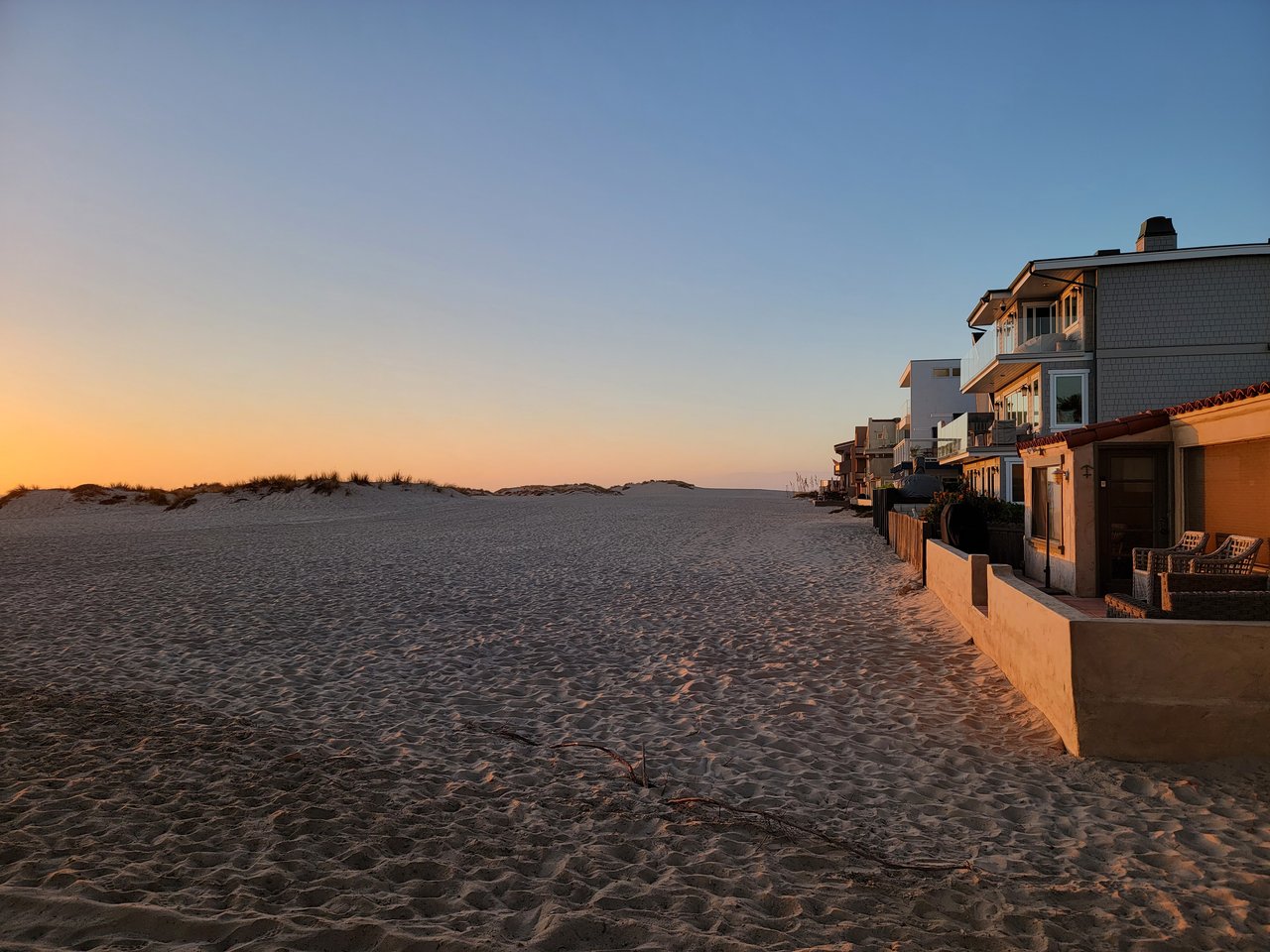
Seabridge sits within the Channel Islands Harbor system in Oxnard. The City of Oxnard describes Channel Islands Harbor as the fifth largest harbor in California and a waterfront destination for recreation, dining, and boating activity. Seabridge is one of the residential communities connected to that harbor system.
From a buyer’s point of view, that location is a big part of the appeal. The official Seabridge Marina information points to landscaped parks, a children's playground, pedestrian bridges, walkways, and a retail center near the homes. That means your day-to-day experience may include both private community features and public-facing harbor amenities nearby.
Seabridge amenities buyers often notice
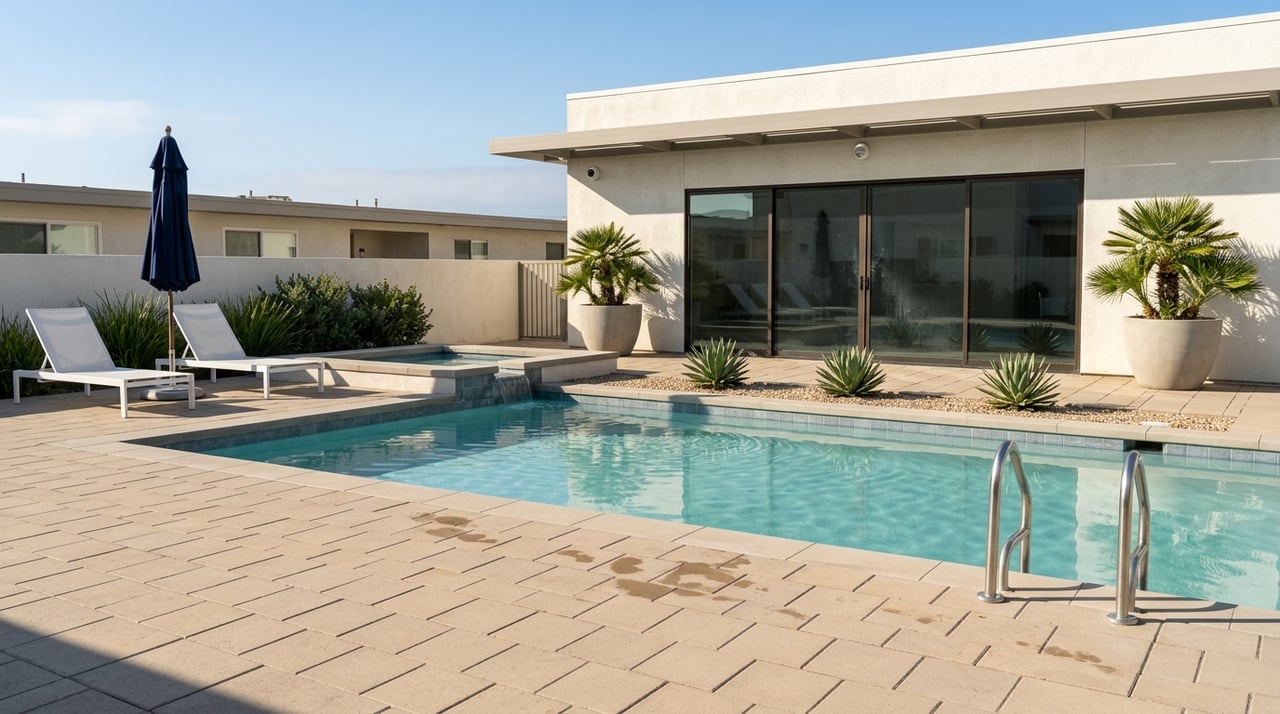
When buyers tour Seabridge, the lifestyle usually stands out first. Recent listing information describes shared amenities that may include a clubhouse, pool, spa, fitness center, waterfront barbecue areas, fire pits, scenic walking paths, controlled access, secured parking, and 24-hour security. These features are often part of what makes Seabridge attractive to waterfront and marina-minded buyers.
The outdoor setting adds another layer. The marina site also confirms landscaped parks, pedestrian bridges, walkways, and a children’s playground, along with a retail center in or near the marina neighborhood. For many buyers, that mix of water views, walkability, and recreation is a major draw.
It is important to understand that Seabridge amenities may not all come from one single HOA. Some features may be tied to an association, some to marina operations, and some to public improvements maintained through city-related districts. In practical terms, that means the amenity story is appealing, but the ownership and cost structure behind it can be more complex than it first appears.
How the Seabridge HOA structure works
In California, homeowners associations are board-governed organizations that enforce CC&Rs, bylaws, and community rules. Members typically pay HOA dues and may also be responsible for other assessments. For buyers, that means Seabridge ownership is not just about the home itself, but also about understanding the governing documents and ongoing obligations.
Seabridge’s HOA portal shows an active management setup. Owners can access account information, submit maintenance requests, pay assessments, review annual disclosures, use the community calendar, report CC&R violations, and submit architectural applications. That tells you the association structure is operational and document-driven, which is typical for a common-interest community.
A key detail for buyers is that some Seabridge properties may have more than one association fee. At least one current Seabridge condo listing shows both a primary Seabridge Home Owners Association fee and a second Port Marluna Home Owners Association fee, with a combined monthly total of $968 for that property. That does not mean every address has the same setup, but it does show why you should confirm the exact fee structure for the specific property you want to buy.
Why some Seabridge costs go beyond HOA dues
One of the most important things to know about Seabridge is that your monthly or annual ownership costs may go beyond the HOA payment. The City of Oxnard lists two Seabridge community facilities districts, often called CFDs, that fund certain public improvements and services tied to the community.
CFD 3 is a bonded district established in 2004. According to the city, it helps finance public facilities such as waterways, streets and roads, sewer and water facilities, storm drains, landscaping, public boat docks, and parks. The city states that this bond matures on September 1, 2035.
CFD 4 is different. The city describes it as a non-bonded ongoing assessment that does not expire, and it funds services such as police protection, parks and open space, channel maintenance, flood and storm protection facilities, public boat docks, and dredging or remediation. The city also notes that the tennis courts behind Vons are maintained by the Seabridge CFD.
For buyers, the takeaway is simple: Seabridge ownership may include several layers of recurring cost. You should look at HOA dues, any secondary association fees, and CFD-related special taxes or assessments together, not one at a time.
What boat owners should verify separately
If you plan to keep a boat at Seabridge, do not assume marina access is automatically covered by homeownership. The marina has its own application and policy structure, including required documentation, insurance, a deposit, monthly slip fees, and marina rules. In other words, boating costs should be budgeted separately from HOA dues.
This is especially important for buyers drawn to Seabridge because of its harbor setting. You may love the idea of living near the water, but if a boat slip is part of your plan, you will want to review marina terms just as carefully as you review the purchase contract. That extra step can help you avoid surprises after closing.
Documents to review before making an offer
The California Department of Real Estate advises buyers to check for HOA dues, special taxes, and assessments, and to read all documents carefully before buying. In a community like Seabridge, that advice is especially relevant because the cost structure can include more than one governing layer. A waterfront purchase can be a great fit, but it should also be a well-documented one.
As you review a Seabridge property, ask for the current governing and financial documents tied to that exact address. The most important items usually include:
- Current CC&Rs
- Bylaws and rules
- Association budget
- Reserve study
- Insurance summary
- Exact association names for the property
- Monthly fee amounts for each association, if more than one applies
- Any CFD special tax information
- Security, gate, and parking rules
- Marina slip terms, if applicable
The DRE also notes that common-interest developments with HOA dues require a public report. That report can disclose important facts about utilities, water, roads, title, zoning, use restrictions, hazards, and financial arrangements. If you are trying to compare Seabridge with another Oxnard harbor neighborhood, these documents can make the differences much clearer.
Why reserve studies matter in Seabridge
Reserve studies are not the most exciting part of a home search, but they are one of the most useful. The DRE explains that reserve studies help associations plan for repair and replacement of major common-area components such as roofs and pavement. They can also give you a better sense of the association’s financial position and the potential for future special assessments.
In a community with multiple amenities, reserve funding deserves close attention. Pools, spas, clubhouses, gates, parking areas, and other shared elements all require maintenance over time. Reviewing the reserve study can help you understand whether the association appears to be planning ahead for those future costs.
How to compare Seabridge with other harbor communities
Seabridge can be very appealing if you want a harbor-centered lifestyle in Oxnard. The mix of community amenities, marina surroundings, parks, walkways, and nearby services creates a strong lifestyle package. Still, the value equation depends on how comfortable you are with the related rules, fees, and layered governance.
When you compare Seabridge with nearby harbor neighborhoods, try not to focus only on the list price. Compare the full ownership picture, including HOA dues, possible secondary association fees, CFD costs, parking rules, gate policies, and any marina expenses. That side-by-side review often gives you a more realistic sense of monthly carrying costs and day-to-day convenience.
A smart buyer’s approach to Seabridge
The best way to buy in Seabridge is to stay curious and document-focused. Ask which amenities are controlled by the HOA, which are tied to the marina, and which are funded through city or district assessments. Then verify every recurring cost for the exact property, because the structure may differ from one address to another.
If you like the Seabridge lifestyle, that extra homework is worth it. You can enjoy the benefits of waterfront living while making sure the rules, fees, and long-term costs match your goals. That is often the difference between a purchase that only looks good on paper and one that truly fits your life.
If you want help sorting through Seabridge dues, harbor-related questions, or the details that come with buying in Oxnard’s waterfront communities, Eric Swartz can help you navigate the numbers and the lifestyle with local insight.
FAQs
What amenities are commonly associated with Seabridge in Oxnard?
- Buyers often associate Seabridge with amenities such as a clubhouse, pool, spa, fitness center, barbecue areas, fire pits, walking paths, controlled access, secured parking, landscaped parks, pedestrian bridges, and a children’s playground.
What HOA fees should buyers expect in Seabridge Oxnard?
- HOA costs can vary by property, and at least one recent Seabridge listing showed both a primary Seabridge HOA fee and a second Port Marluna HOA fee, so you should confirm the exact fee stack for the address you are considering.
What are Seabridge CFD charges in Oxnard?
- The City of Oxnard lists Seabridge CFD 3 and CFD 4, which help fund facilities and services such as waterways, roads, landscaping, public boat docks, parks, channel maintenance, flood and storm protection, and dredging or remediation.
Does buying in Seabridge Oxnard include a marina slip?
- Not necessarily, because the marina has a separate application, insurance, deposit, monthly slip fee, and policy structure, so boat-related costs should be reviewed separately from HOA obligations.
What documents should buyers review for a Seabridge property?
- Buyers should review the current CC&Rs, bylaws, rules, budget, reserve study, insurance summary, exact association names and fees, any CFD information, and any applicable marina slip terms before moving forward.
Why is the reserve study important for a Seabridge buyer?
- A reserve study helps you understand how the association plans for future repair and replacement of major shared components, which can offer insight into financial strength and the risk of future special assessments.