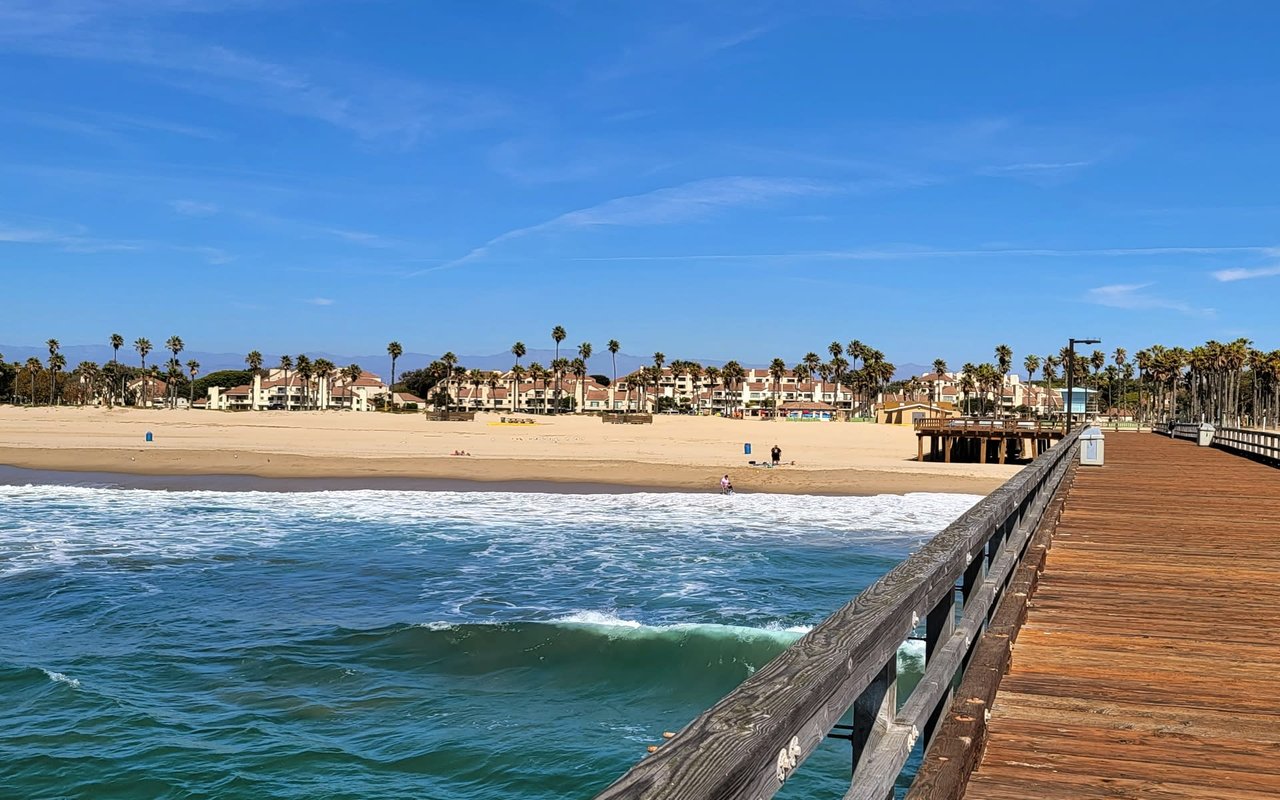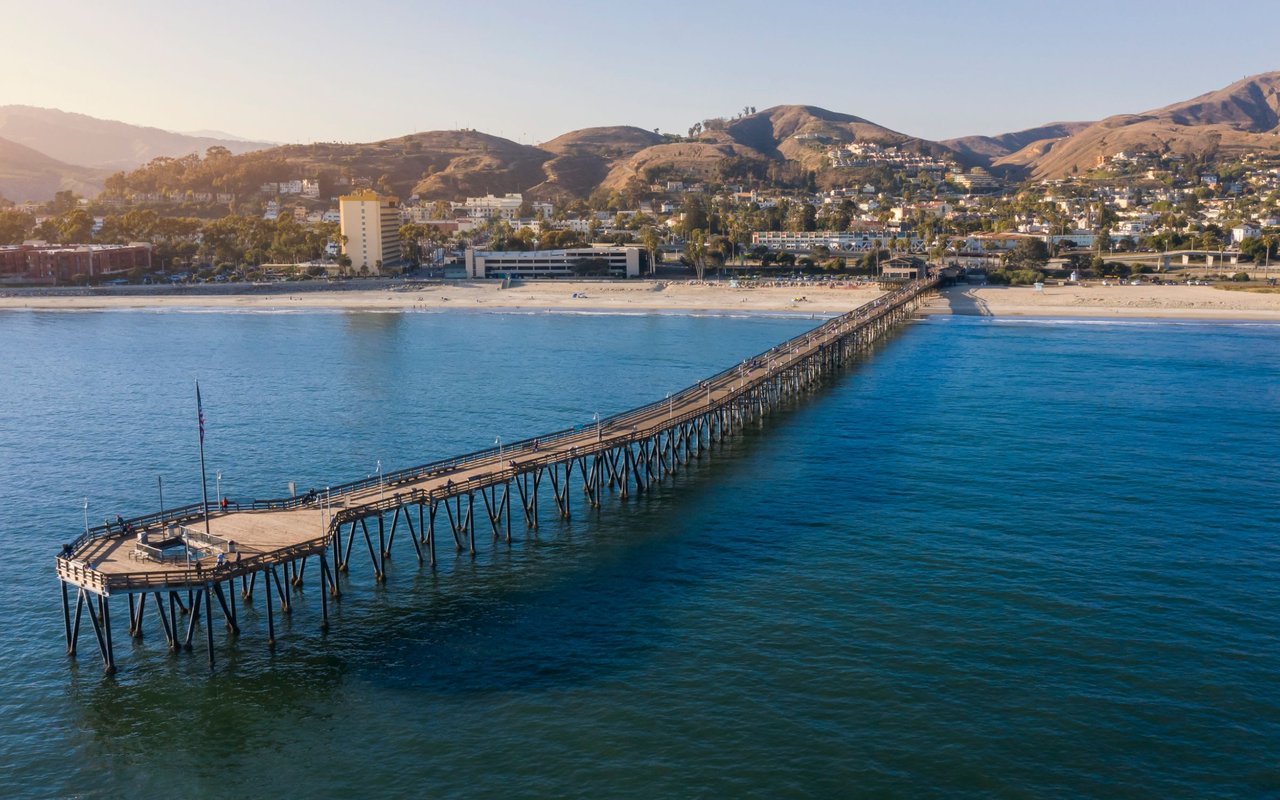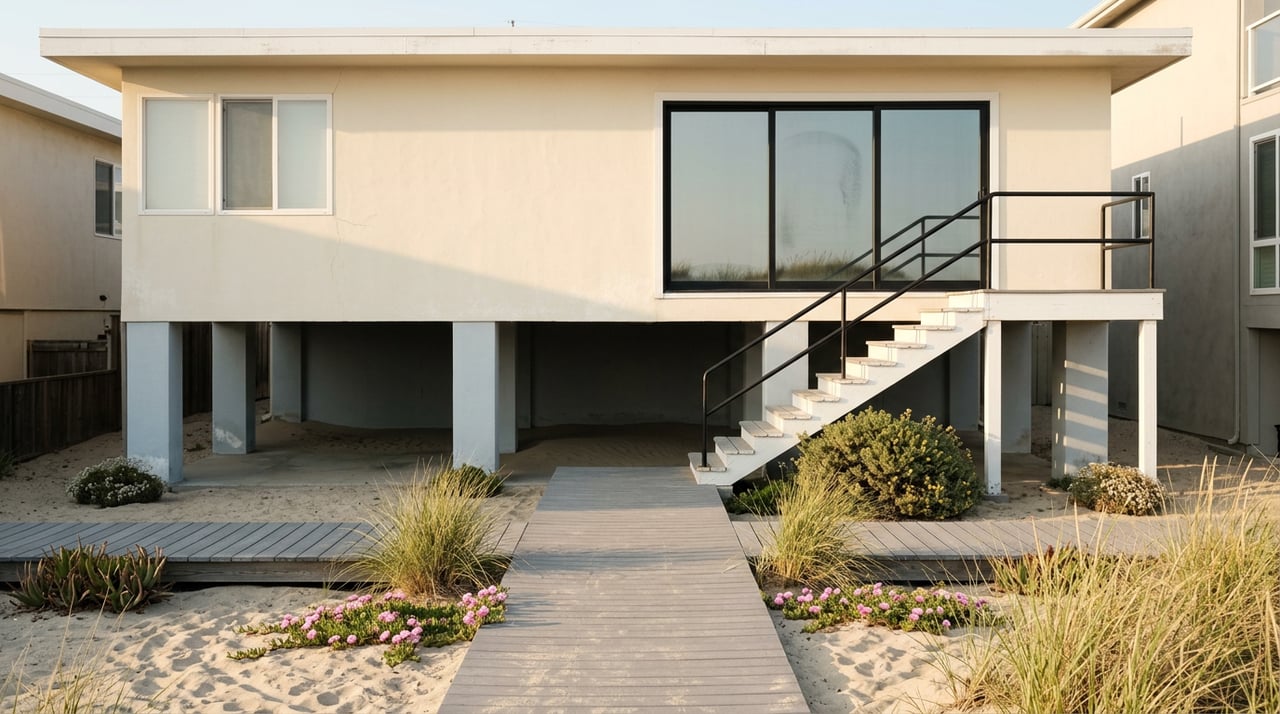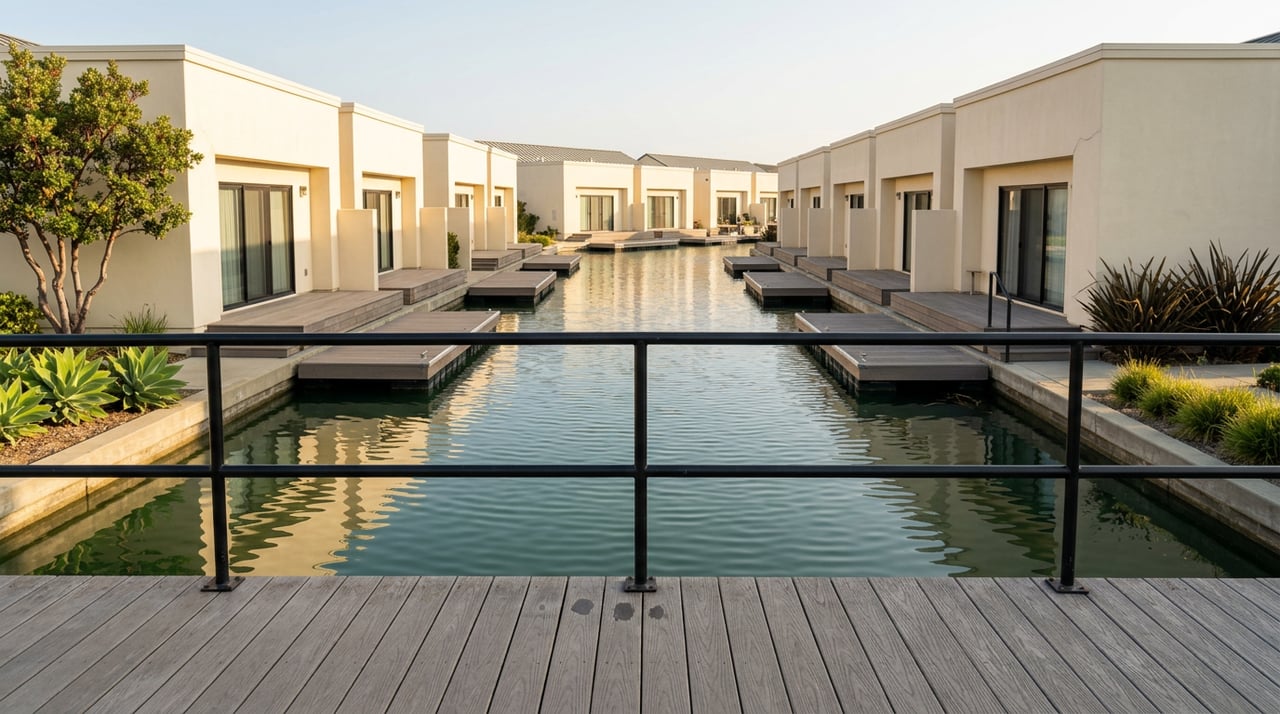
If you love the idea of waking up to the sound of waves in Oxnard, you have likely asked the big question: should you buy on the sand or one street back in Mandalay Shores? It is a great dilemma to have. You want the coastal lifestyle, but you also want to be smart about cost, upkeep, insurance, and long‑term risk. In this guide, you will learn how beachfront and second‑row homes differ in Mandalay Shores, what to budget for, how local rules affect rentals and remodels, and which option best fits your goals. Let’s dive in.
Quick neighborhood context
What counts as beachfront
“Beachfront” in Mandalay Shores means true first‑row homes with direct frontage on the sand along Mandalay Beach Road. These properties deliver immediate access, unobstructed views, and the area’s top price tier.
What counts as second‑row
“Second‑row” refers to the next block or two inland, such as Neptune Square, the Outrigger and Sealane area, and streets like Oceanaire or Terramar. You are a short walk to the beach but enjoy a bit more shelter from wind and sand. Interior homes farther in Oxnard Shores are even more protected from direct coastal exposure.
Price and value
What you pay for
- Beachfront: You pay a significant premium for views, direct access, and lot position on the sand. That premium varies with lot width, architecture, parking, and view geometry.
- Second‑row: You keep most of the lifestyle benefits at a lower entry point, with more privacy and less day‑to‑day exposure to wind and salt.
Real‑world price bands
Recent beachfront examples in Mandalay Shores have reached the multi‑million tier, with several custom homes and wider lots trading at the top end. By comparison, large second‑row and near‑beach homes commonly land in the low‑to‑mid millions, with buildable lots near Neptune Square historically selling in the mid‑six figures to low‑millions depending on size and entitlements. The gap is real, but it is not one‑size‑fits‑all. Quality, orientation, and parking can swing values by seven figures.
Resale drivers
For resale, buyers consistently reward view quality, beach access, garage capacity, outdoor space, and smart materials that stand up to marine conditions. On the planning side, permit history and compliance matter. Future policy changes can influence long‑term expectations for rebuilding and shoreline protection, which can show up in buyer due diligence and pricing.
Insurance and carrying costs
Flood coverage 101
Flood insurance is separate from your standard homeowners policy. Lenders often require it in mapped risk areas, and pricing under FEMA’s Risk Rating 2.0 is now property specific. That can mean higher premiums for the highest‑exposure beachfront parcels. Before you write an offer, pull flood maps and get written quotes for both NFIP and private flood options. You can look up parcel flood zones using FEMA’s Flood Map Service Center. For background on how pricing is changing, review the congressional discussion on Risk Rating 2.0.
Homeowners market in California
Carriers have tightened underwriting in higher‑risk areas, which has led to more non‑renewals and limited new policies for coastal properties in some cases. That can push buyers toward layered solutions or insurer‑of‑last‑resort options. National reporting outlines how climate risk is shaping availability and pricing across coastal markets. For context, see the Washington Post’s coverage of home insurance market stress.
How to compare quotes
- Request three numbers: homeowners premium, flood quote, and any wind or special deductibles.
- Confirm replacement cost coverage and exclusions. Watch for wind or flood carve‑outs.
- Get quotes early if you are beachfront. Availability and deductibles can affect your loan and monthly budget.
Maintenance and exposure
Wind, salt, and sand
First‑row homes face stronger onshore winds, salt spray, and fine sand that migrates into mechanical equipment and abrades finishes. Expect faster wear on railings, exterior metals, HVAC cabinets, and coatings. Second‑row homes see less direct exposure, which often translates into longer maintenance cycles and lower annual upkeep.
Materials and planning
If you are building or renovating, plan for marine‑grade materials and detailing. Corrosion‑resistant fasteners, 316 stainless, high‑performance coatings, and protected HVAC intake locations reduce long‑term costs. A realistic 5 to 10‑year exterior budget is wise for any coastal home, and it is essential for beachfront properties.
Privacy, views, and everyday life
- Beachfront: You enjoy unmatched views and immediate sand access, balanced by less privacy. California beaches are public and Oxnard’s coastal policies prioritize beach access. Expect more walkers, surfers, and day‑use activity near your frontage. You can review public access priorities within Oxnard’s Local Coastal Program update.
- Second‑row: You trade a slice of the view for quieter streets, more privacy, and less sand tracking through daily life. Many buyers find the sheltered feel a better long‑term fit.
Flooding, erosion, and sea level rise
Beachfront exposure
Oxnard’s coastal planning work identifies erosion and combined storm surge and high‑tide flooding as primary risks for the first line of homes under higher sea level scenarios. The City is actively updating maps and policies that affect setbacks, adaptation choices, and rebuild expectations. Stay current by reviewing the Local Coastal Program update.
Second‑row vulnerability
Second‑row parcels typically benefit from distance and dune buffers, but they can still be affected by nuisance flooding, storm surge during significant events, and drainage backups. Parcel‑level flood classifications vary. Always verify a specific lot on FEMA’s Flood Map Service Center.
Regional outlook
Ventura County’s regional mapping shows beaches and dunes narrowing under higher sea level scenarios, which can expose low blocks over time. Local adaptation options, such as nourishment and dune restoration, are being evaluated. Explore the regional picture through the Coastal Resilience Ventura County project.
Armoring, setbacks, and permits
California policy treats new coastal armoring as a last resort. The California Coastal Commission’s guidance favors nature‑based adaptation and carefully limited armoring in many cases. Future LCP updates must align with this framework, so owners should not assume unlimited rights to build or replace seawalls. Permit history is critical. For policy context, see the Commission’s Sea Level Rise Policy Guidance.
Short‑term rentals and rules
Oxnard permits
The City of Oxnard requires permits for short‑term rentals citywide. Rules cover application steps, fees, separation standards, and enforcement. If you are planning rental income, confirm eligibility and caps before you buy. You can review program details on the City’s Short‑Term Rentals page.
Why rules matter for ROI
Beachfront properties usually command top nightly and weekly rates, but permitting and compliance shape actual net income. Second‑row homes often show strong occupancy with lower carrying costs. Your underwriting should include permit costs, local caps, and realistic vacancy.
Public funding and resilience projects
State and regional agencies are committing funds for dune restoration, nourishment, and other resilience work. Where projects are funded and maintained, nearby parcels can see reduced hazard exposure. Funding is program specific and timing varies, so track local commitments. For a window into statewide support, see recent legislation establishing coastal resilience funding programs, such as California AB 102 budget provisions.
A practical buyer checklist
Use this list whether you are shopping the sand or the second row:
- Verify flood risk
- Pull the FEMA map for the parcel on the FEMA Flood Map Service Center and request an elevation certificate.
- Review local hazard maps
- Study Oxnard’s sea level rise and storm surge materials in the Local Coastal Program update. Note projected erosion lines and policy areas.
- Get written insurance quotes
- Ask for homeowners, NFIP flood under Risk Rating 2.0, and any private flood options. Understand deductibles and wind or flood exclusions. For why pricing is shifting, see the congressional overview of Risk Rating 2.0 and national reporting on insurance market changes.
- Check permit history
- Confirm any past coastal development permits, emergency repairs, or armoring work. Unpermitted shoreline work can complicate escrow. Use City and Coastal Commission records as needed.
- Confirm STR eligibility
- If rental income is part of your plan, review Oxnard’s short‑term rental rules and map. Details shape your pro forma.
- Build a 5 to 10‑year OPEX plan
- Include homeowners, flood, and any special deductibles. Add a realistic exterior maintenance budget and a materials premium for marine‑grade components, especially on the first row.
Which one fits your goals
Choose beachfront if you want the strongest views and immediate sand access and you are comfortable with higher insurance, more frequent maintenance, and active monitoring of local coastal policy. It is the apex of Oxnard beach living and often a legacy purchase.
Choose second‑row if you want a quieter street, more privacy, and lower carrying costs while staying steps from the beach. You still get sea air and fast access, but with less exposure to wind, sand, and storm overtopping.
Whichever you choose, make decisions with current maps, hard insurance numbers, and a clear read on the City’s coastal planning. The right preparation reduces surprises and protects your enjoyment of the property.
Ready to compare specific homes, run the insurance and OPEX side by side, and align the choice with your lifestyle and budget? Reach out to Eric Swartz, LIV Sotheby’s International Realty for a local, data‑driven plan.
FAQs
What is the main cost difference between beachfront and second‑row homes in Mandalay Shores?
- Beachfront typically commands the top price tier for views and access, while second‑row offers strong proximity at a lower entry point and often lower insurance and maintenance costs.
How does sea level rise affect first‑row homes in Oxnard Shores?
- Oxnard’s planning materials identify erosion and combined storm and high‑tide flooding risks for the first line of homes under higher sea level scenarios, which can influence setbacks, permits, and long‑term expectations. Review the City’s Local Coastal Program update for current maps.
Do I need flood insurance for a second‑row home near Mandalay Beach?
- It depends on parcel‑specific mapping and elevation. Many second‑row homes have reduced direct wave exposure, but you should verify the flood zone on FEMA’s Flood Map Service Center and obtain quotes under Risk Rating 2.0.
Can I run a short‑term rental in Oxnard Shores?
- Possibly. The City of Oxnard requires permits and has rules on location, caps, and operations. Confirm eligibility and costs on the City’s Short‑Term Rentals page before underwriting rental income.
Why are California coastal insurance premiums changing?
- Pricing now reflects parcel‑specific flood risk under Risk Rating 2.0, and some insurers have tightened underwriting in higher‑risk markets, which affects availability and deductibles. See the congressional overview of Risk Rating 2.0 and national insurance market reporting.