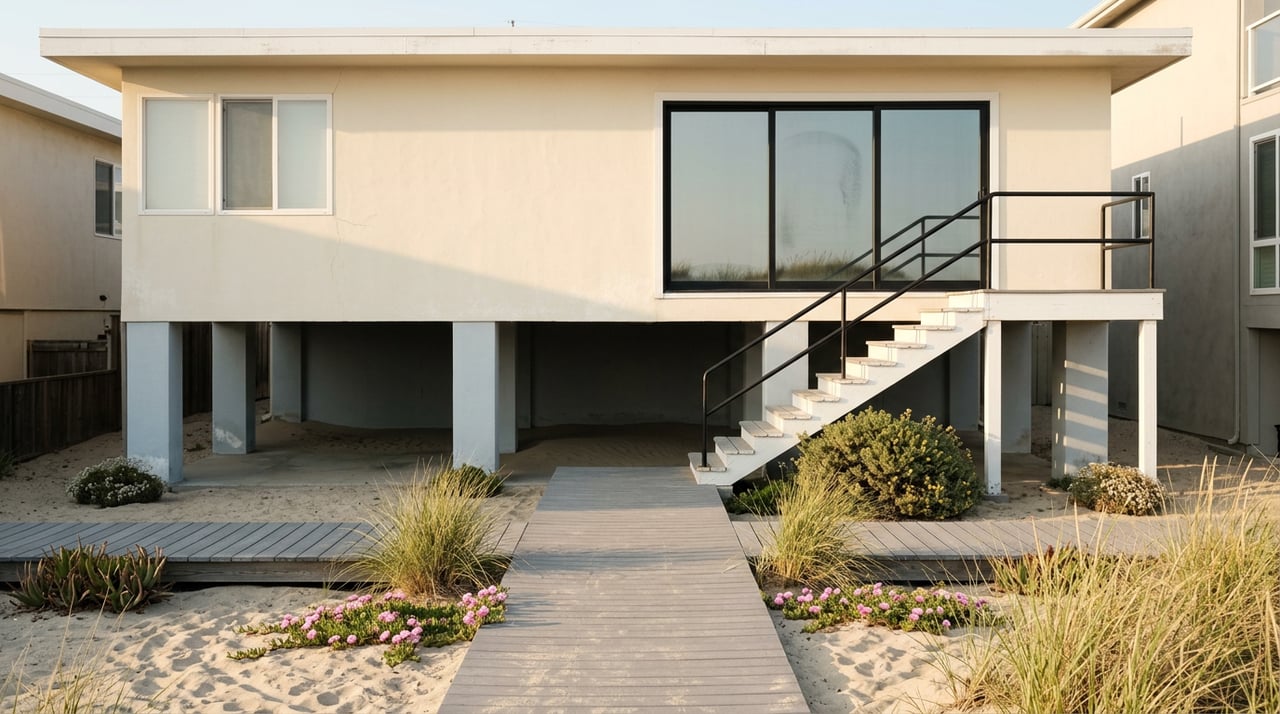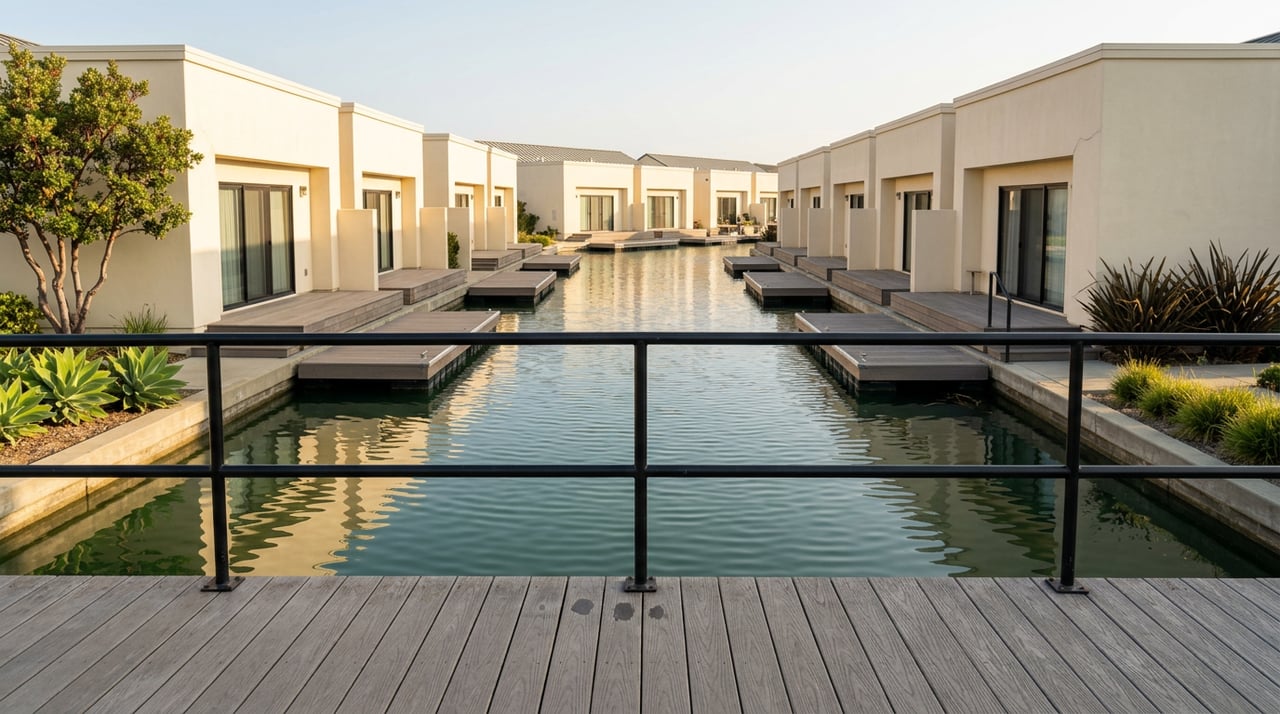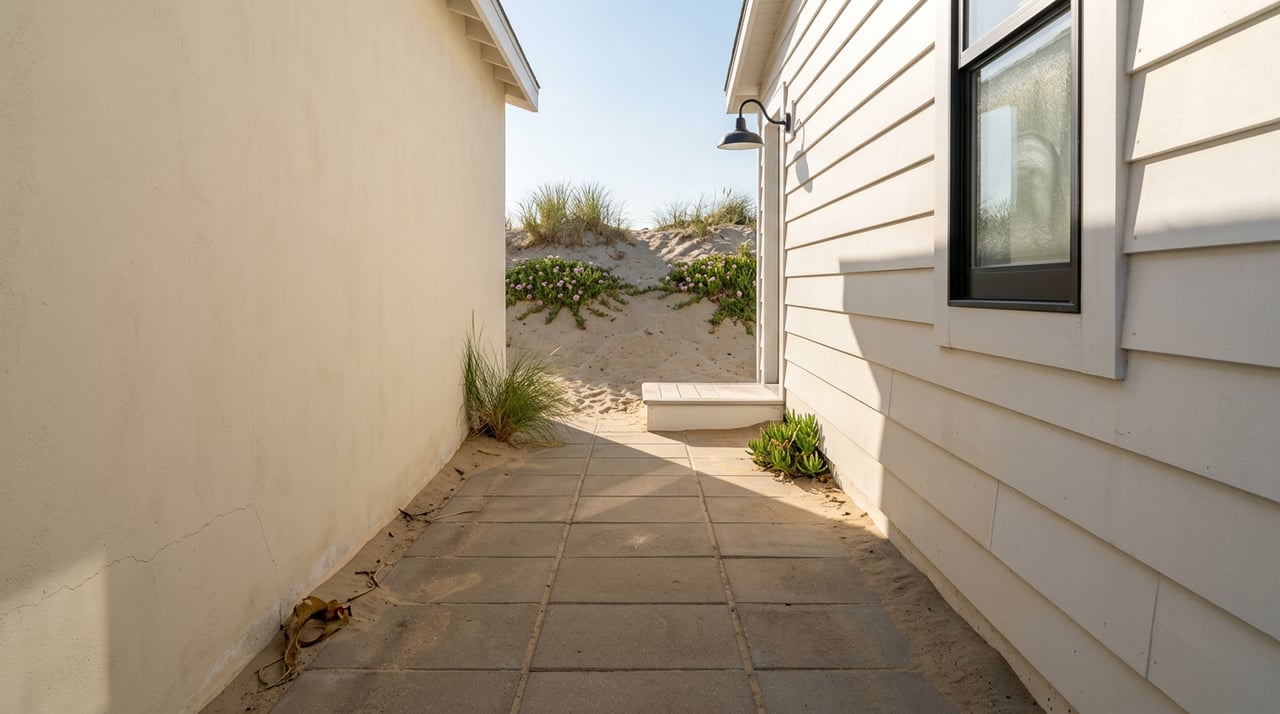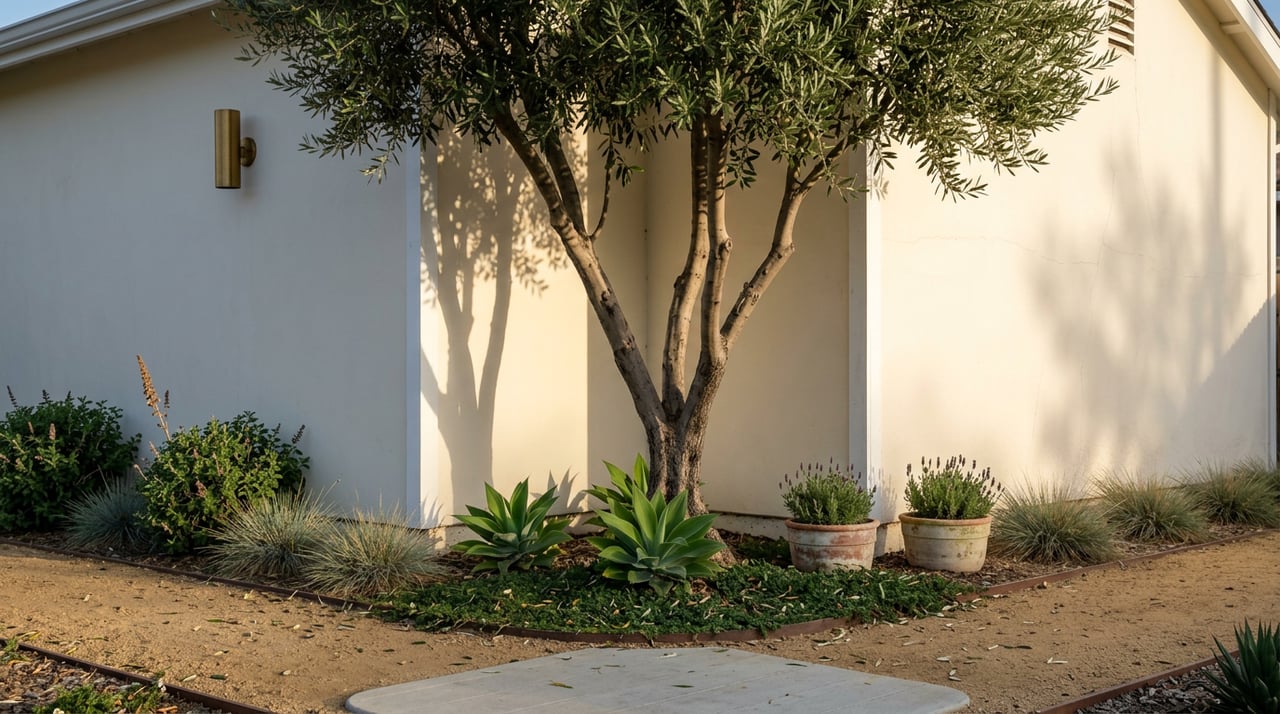
Salt air and ocean breezes are part of why you love Mandalay Shores. They also work harder on your home than most inland neighborhoods. If you want your Oxnard Shores property to stay dry, strong, and ready for storms, a coastal-specific plan is essential.
In this guide, you’ll get a simple checklist tailored to our local conditions. You’ll learn what to inspect, when to schedule upkeep, materials that last near the beach, and where to check flood maps and permits. You will also know when to call a pro and how to document storm damage for insurance. Let’s dive in.
Why coastal homes need extra care
Living next to the Pacific means year-round exposure to salt, moisture, and onshore winds. Salt-laden air speeds up metal corrosion and wears down exterior finishes more quickly than inland areas. The result is shorter maintenance cycles and a bigger payoff for prevention.
- Salt and spray accelerate rust on fasteners, railings, HVAC coils, and hardware. Guidance from the USACE Coastal Construction Manual confirms the need for corrosion-resistant materials in marine zones.
- Persistent moisture raises the risk of mold and mildew indoors. The EPA’s guide to moisture and mold outlines how quick drying and ventilation prevent problems.
- Coastal flooding and king tides can affect low-lying blocks. Use the NOAA Sea Level Rise Viewer to understand site-specific exposure and plan your defenses.
Inspect these high-risk areas
Roof, gutters, and paint
Your roof and exterior finishes take the first hit from wind and salt. Inspect the roof, flashing, and sealants twice a year and after storms. Clean gutters each season so water moves away from the foundation. Repaint or recoat wood and metal more often than inland, and touch up at the first sign of blistering or bare substrate.
When to call a pro: visible roof leaks, cracked or missing shingles, rusted or displaced flashing, or failed window seals.
Metals and mechanical gear
Salt attacks exposed metals and coils. Service HVAC twice yearly, clean condenser coils, and use protective coatings if recommended. Choose 316 stainless or hot-dip galvanized hardware for exterior fixtures and use compatible fasteners to avoid galvanic corrosion. Lubricate garage door tracks, hinges, and gates and check for pitting.
Decks and foundations
Wood structures near the coast are prone to rot. Inspect decks, railings, and stairs annually for soft spots, loose connections, and corroded fasteners. Confirm proper flashing where deck ledgers meet the house. Walk the foundation perimeter for trapped water, erosion, or settlement and adjust grading to direct water away.
Termite tip: moisture invites wood-destroying pests. The UC IPM program recommends regular inspections by a licensed professional if you have any history or signs of activity.
Interior moisture and ventilation
Bathrooms, kitchens, and attics need effective exhaust to the exterior. Run fans during and after showers and cooking. After any leak or storm intrusion, dry wet areas within 48 hours to reduce mold risk. Consider a dehumidifier in problem rooms and maintain a crawlspace vapor barrier if present. The EPA’s moisture guidance is a helpful reference.
Drainage and landscaping
Clear downspouts and surface drains seasonally and confirm that water discharges away from the foundation. Choose salt-tolerant, low-water plants and keep vegetation off exterior walls to reduce trapped moisture. If your lot includes shoreline protection, document the condition of any bulkheads, revetments, or riprap and consult a licensed engineer before repair.
Shoreline work often needs permits. The California Coastal Commission regulates many shoreline projects, so verify approvals before you start.
Electrical and backup power
Corrosion and water intrusion can make electrical components unsafe. Inspect exterior outlets and panels for rust or moisture and upgrade to weatherproof, marine-grade enclosures where appropriate. If your home sits in or near a mapped flood zone, plan for elevated or portable backup power and follow code requirements for installation. Any sign of water in a panel or outlet means call a licensed electrician.
Plumbing and wastewater
Inspect exposed supply lines and valves for pitting or corrosion. Test sump pumps and backup batteries before the rainy season. Consider a backflow valve if your block has a history of sewer backups after heavy rain. For flood insurance and mapping basics, visit FloodSmart.
Safety systems and readiness
Test smoke and CO alarms monthly and replace batteries as directed. Trim vegetation and follow CAL FIRE guidance on defensible space to improve resilience during regional fire events. Keep an emergency kit and a printed list of insurance contacts. Photograph property conditions regularly so you can compare after a storm.
Seasonal checklist for Oxnard Shores
Use this schedule as a quick reference. Adjust frequency based on your exposure and property condition.
Quarterly
- Clean and flush gutters and downspouts. Confirm clear discharge away from the foundation.
- Walk the exterior for blistered paint, rust streaks, loose shingles or tiles, and caulk failures.
- Rinse salt from railings and exterior metal. Clear leaves and salt from the HVAC condenser.
Spring
- Do a full roof and attic check. Repair flashing, ridge vents, and failed sealants.
- Re-caulk window and door joints where gaps or cracks appear.
- Service HVAC before cooling season. Confirm refrigerant level and coil condition.
- Inspect decks, railings, and stairs for rot. Schedule needed repairs.
Summer
- Clean and treat exterior metalwork. Recoat small corrosion spots before they spread.
- Service outdoor lighting, barbecue connections, and irrigation. Adjust watering to keep moisture off the house.
- Check HVAC filters monthly during high use.
Fall
- Test sump pumps and backup power. Replace aging pumps proactively.
- Secure outdoor furniture and decor for winds.
- Inspect crawlspace or basement. Confirm vapor barriers are intact and vents are clear.
- Trim vegetation to reduce storm damage and improve airflow.
Winter and after storms
- Inspect the roof after each major wind or rain event.
- Check ceilings and walls for water stains or musty odors. Dry and repair quickly.
- Photograph any storm impacts for documentation and potential claims.
After king tides or coastal flooding
- Photograph and document all conditions before cleanup.
- Dry affected areas quickly. Do not energize any water-affected electrical systems.
- Contact your insurer and licensed pros for structural, electrical, or sewer issues.
Materials that last at the beach
Choosing the right materials reduces rust, rot, and callbacks.
- Fasteners and hardware: Select 316 stainless steel or hot-dip galvanized fasteners rated for coastal use. Avoid mixing dissimilar metals without proper isolation to reduce galvanic corrosion.
- Paints and coatings: Use high-performance exterior paints designed for marine environments and plan on more frequent touch-ups.
- HVAC: Place condensers where they are easy to rinse and service. Use protective louvers or sacrificial coatings when recommended.
- Windows and doors: Marine-rated aluminum or fiberglass frames perform well. Replace failed seals promptly and consider impact-rated glass if windborne debris is a concern.
- Decks and porches: Choose rot-resistant woods or composites designed for coastal exposure. Protect ledger connections with hidden flashing.
For design and installation best practices, the USACE Coastal Construction Manual provides detailed guidance for marine environments.
Permits, insurance, local resources
Coastal work often needs approvals beyond standard building permits. Planning ahead prevents delays.
- Building permits: Roofing, structural repairs, electrical, plumbing, and most exterior work typically require permits. Confirm requirements with the City of Oxnard Building & Safety.
- Coastal permits: Shoreline armoring and related projects may need approvals from the California Coastal Commission and other regional agencies. Start verification before hiring contractors.
- Flood zones and insurance: Review FEMA flood maps and compare coverage options through FloodSmart. Policies and requirements change, so verify details before renewal or any remodel that could affect elevation or mechanical placement.
- Sea-level planning: Use the NOAA Sea Level Rise Viewer to understand site exposure and to document baseline conditions over time.
When to call a pro
Call licensed specialists if you see any of the following:
- Roof leaks, widespread rusted flashing, or missing tiles.
- Soft decking, loose railings, or structural movement.
- Persistent indoor moisture, mold growth, or musty odors after drying.
- Electrical corrosion, tripped breakers after storms, or any water in panels.
- Foundation erosion, settlement, or shoreline structure damage.
Quick action limits damage and protects your safety.
Keeping a Mandalay Shores home shipshape is about cadence and quick response. A few hours each season protects your roof, keeps moisture out, and reduces corrosion. Document conditions, schedule routine service, and use materials that can handle the beach. If you want a property-specific plan or referrals to vetted local pros, reach out to Eric Swartz, LIV Sotheby's International Realty.
FAQs
What makes Mandalay Shores maintenance different?
- Salt air, higher humidity, and onshore winds accelerate corrosion and wear, so coastal homes in Oxnard Shores benefit from shorter inspection and repainting cycles.
How often should I service my HVAC by the beach?
- Twice per year is recommended, with regular rinsing of exterior coils to remove salt and debris and protective coatings as advised by your technician.
Do I need a permit for a reroof or deck repair in Oxnard?
- Roofing and most structural exterior work typically require permits, so confirm requirements with the City of Oxnard Building & Safety before starting.
How can I check my flood risk and insurance options?
- Review FEMA mapping and compare coverage options through FloodSmart to determine flood zone, policy requirements, and available products.
What materials hold up best near the ocean?
- Use 316 stainless or hot-dip galvanized fasteners, marine-rated window and door assemblies, and high-performance exterior coatings designed for coastal environments.
When should I worry about mold after a storm?
- If wet materials are not dried within 48 hours, follow EPA moisture guidance and contact a professional if odors or visible growth persist.