Shopping for a waterfront home in Westport at Mandalay Bay and want to be sure your boat actually fits and functions at the dock? You’re not alone. The difference between a smooth, sea‑ready purchase and an expensive surprise often comes down to dock details, water depths, and the rules that ride with your slip.
This guide breaks down what matters most for boat‑centric buyers in Westport. You’ll learn how docks are configured, what to verify about depths and air draft, how CC&Rs and Harbor rules impact use, and which documents to secure before you write an offer. You’ll also get a practical pre‑offer checklist you can print and use with your lender, inspector, HOA, and the City.
Let’s dive in.
Westport dock basics
Dock types and layout
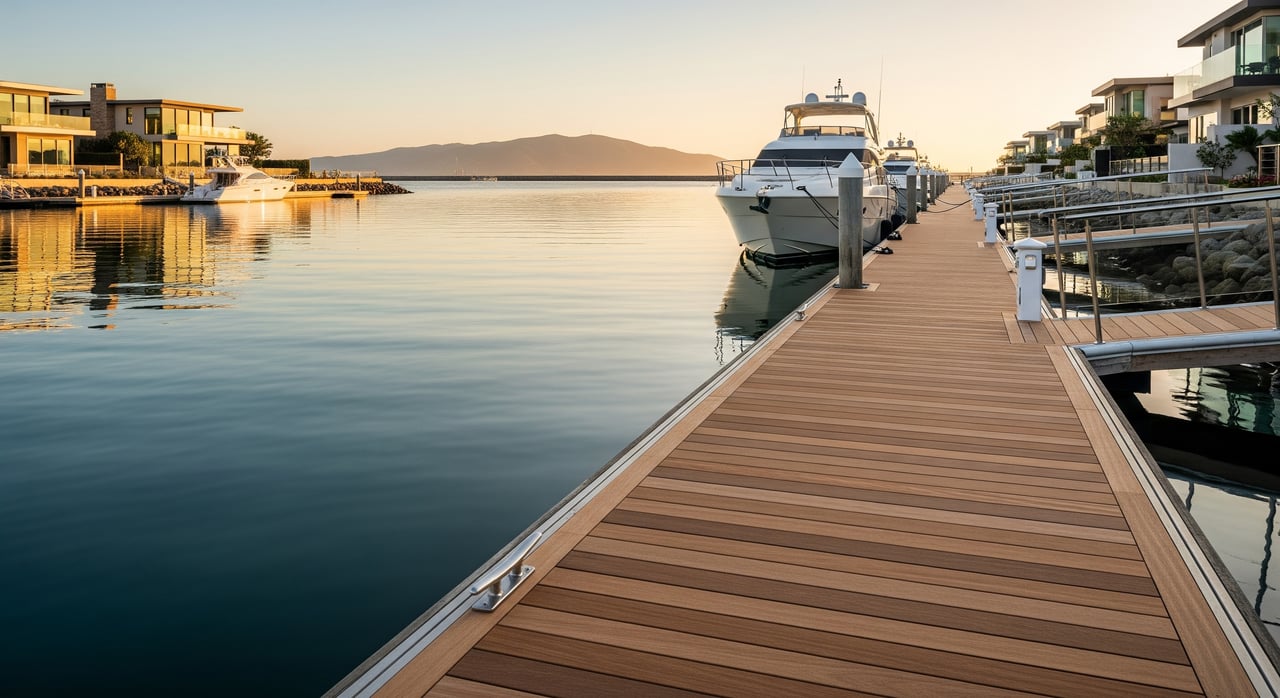
In Westport at Mandalay Bay, most residential docks are private, floating systems tied to piles, with finger piers that serve individual boats. You will typically see cleats, mooring hardware, a connecting walkway, and a gangway from shore. Many docks are maintained by the HOA or the owner, not by a commercial marina, so confirm who is responsible for repairs and upgrades.
Look closely at pile condition, float hardware, and the way fingers connect to the main float. If there are utilities on the dock, note the location and condition of the pedestal, hose bibs, and any shared elements. If the listing mentions a pump‑out connection or special access for service trucks, verify that in writing.
Slip sizes and usable space
Slip lengths in harbor neighborhoods can vary widely, from smaller spaces suited for tenders and runabouts to larger slips that can accommodate cruisers. Beam matters as much as length. Some slips include obstructions like piles or seawalls that reduce usable length, so measure from the finger to any fixed object at the bow or stern.
Do not assume the advertised length equals what your vessel can use. Ask for recorded dimensions for the specific slip being sold, including length, beam, and usable length with obstructions noted.
Utilities and servicing
Your dock may include shore power and potable water. Common power configurations are 30A or 50A pedestals. Older installations may not meet the needs of larger yachts. Verify amperage, wiring condition, and whether upgrades require HOA or City approval. Fuel and pump‑out are typically handled at harbor facilities rather than at private docks.
Depths, tides, and draft
Why the datum matters
Depths in the canals and at slips can change over time with siltation and dredging cycles. The critical number is depth at the correct tidal datum, typically Mean Lower Low Water. Your vessel’s draft plus a safety margin must be less than that measured depth at low water. Under‑keel clearance of at least 1 to 2 feet is a common baseline for smaller vessels, with larger vessels preferring more.
Southern California’s tidal range is modest compared to many regions, but it still varies by lunar cycle and location. Always match the depth data to the right datum so your calculations are apples to apples.
How to verify actual depths
Ask for recent bathymetry or soundings at the face of the dock and along your access route to the main channel, reported at the local datum. If recent measurements are unavailable, request the date of the last dredge in the immediate canal and whether dredging is scheduled.
Depths sometimes taper near the head or tail of a slip. Confirm whether the bottom is flat or shoaled, and whether the depth is consistent along the entire berth. If needed, plan an independent sounding survey before you finalize your offer.
Practical clearance tips
- Compare vessel draft plus safety margin to measured depth at the slip at Mean Lower Low Water.
- If your boat is new to you, verify its published draft with real‑world loading. Full tanks and cruising gear can change the number.
- Ask about seasonal or post‑storm siltation patterns and how quickly the canal tends to lose depth between dredging cycles.
Overhead clearance and routes
Air draft and fixed obstacles
Even if there are no major navigation bridges on your path, fixed obstacles like pedestrian crossings or overhead lines can limit mast height. You need the clearance number measured at a known datum, often Mean High Water. Measure your air draft from waterline to the highest fixed point, then add a margin, commonly 2 to 3 feet.
Strategies if you are close on height
- Confirm whether antennas, radar masts, or arches can be folded and how long that takes in practice.
- Get written confirmation of any overhead clearances you rely on for access.
- If your plan involves stepping a mast, verify where and how that is permitted.
Rules that affect your boat
HOA vs Harbor vs City
Your slip use is shaped by three layers of oversight:
- HOA and CC&Rs govern private dock use, appearance standards, allowed vessel types and sizes, maintenance responsibilities, guest moorage, and noise.
- The City and Harbor Department regulate harbor waters, navigation, and permits for moorings, dock work, and any in‑water activity.
- Dock rights can be deeded to the property or held by a license or permit that may require Harbor approval to transfer.
Identify which authority governs each issue, and whether any approval is needed for your purchase or future dock work.
Common HOA policies to review
Every Westport‑area HOA is different, so request current CC&Rs, bylaws, and boat rules. Typical topics include:
- Vessel size limits for length and beam, and sometimes maximum draft or height.
- Vessel condition standards that affect appearance and visible on‑dock work.
- Live‑aboard limitations or permitting requirements.
- Guest moorage rules, fees, and time limits.
- Where repairs can be performed, hours for noisy work, and rules for fueling and waste.
- Storage rules for gear, dinghies, and personal watercraft, including lifts and davits.
- Insurance requirements, such as minimum liability limits and additional insured language.
- Transfer and rental rules for slips, plus fines and enforcement processes.
Permits and environmental rules
Any work in the water, including pile replacement, float refurbishment, electrical upgrades, or dredging, usually requires Harbor approval and City building permits. Some projects may also require review by state or federal agencies. Never start alterations without written authorization. Expect strict rules that prohibit discharge of oil or sewage and that limit certain in‑water maintenance to permitted facilities.
Ownership, title, and lending
Deeded slip or license
One of the most important questions is how the slip rights are held. The slip may be deeded or it may be granted under a license or permit. A deeded slip typically transfers with the property. A license can be revocable or require Harbor or HOA approval and fees to transfer.
This distinction can affect financing. Some lenders treat a licensed slip as a limited amenity and may ask for documentation that your right to use the slip will transfer at closing.
Assessments and reserves
Marine infrastructure is expensive. Review HOA budgets, reserve studies, and recent meeting minutes to see whether float replacements, pile work, or dredging contributions are anticipated. Ask about any existing liens or special assessments tied to the dock.
Insurance and planned improvements
Lenders may require proof of insurance that includes structure and liability coverage. Confirm whether the HOA or City needs to be named as additional insured on your policies. If you plan to install a lift, upgrade shore power, or modify the dock, check required approvals and realistic timelines before you commit.
Pre‑offer checklist for Westport buyers
Use this list to gather documents and confirmations before you write an offer. Items in bold are highest priority.
- Title documents showing whether the slip is deeded or licensed, plus any recorded easements that affect dock access or use.
- Current CC&Rs, bylaws, and boat rules, including any slip transfer conditions or approvals.
- Harbor Department records that confirm slip assignment, licensing status, and any open fees or violations.
- Recent depth soundings at the slip at Mean Lower Low Water, or the date of last dredge and any scheduled dredging.
- Measured slip dimensions for length, beam, and usable length, with obstructions noted on a plan.
- Vertical clearance data for any bridges or overhead wires along your route, including the datum used.
- Utility details for shore power amperage and condition, water pressure, and pump‑out availability.
- Structural condition reports for piles, floats, and gangways. If unavailable, schedule a marine structural inspection.
- Electrical safety inspection for pedestals and shore connections.
- Insurance requirements per CC&Rs and any Harbor license, including needed additional insured wording.
- HOA financials and reserve study, with attention to marine infrastructure and any pending special assessments.
- Rules about vessel types, live‑aboard, repairs, storage, and guest moorage, plus any examples of recent enforcement.
- Fees and transfer costs for HOA and Harbor approvals, and expected approval timelines.
- Lender confirmation that financing is acceptable given the slip status, and a list of any additional documents required.
- Permit history, including whether prior dock work needed outside approvals, and whether there are open permits or violations.
Who to contact and what to ask
Harbor Master
- Is the adjacent canal scheduled for dredging and do you have recent soundings at Mean Lower Low Water?
- Is the dock privately deeded or under a harbor license, and what are the current transfer requirements?
HOA management
- Please provide the boat rules, slip assignment policies, maintenance responsibility matrix, and the latest reserve study.
- Are there upcoming special assessments tied to floats, piles, or dredging contributions?
Title and escrow
- Does title show a recorded easement or deeded interest for the slip? Any liens or encumbrances that affect dock use?
- Are slip rights automatic on transfer, or do they require separate approval or fees?
Marine surveyor and electrician
- Can you provide a sounding at Mean Lower Low Water, inspect piles and floats, and test shore power for correct amperage and safety?
- What is the estimated remaining service life of key components and a realistic budget for near‑term repairs?
Lender and insurance broker
- Will you finance given the slip’s deeded or licensed status, and what documents do you require in escrow?
- What liability limits and endorsements are required by the HOA or Harbor, and how soon can you issue proof of coverage?
Final thoughts
Buying in Westport at Mandalay Bay gives you the marina lifestyle many people dream about. To enjoy it without surprises, verify the physical facts at the dock, understand the rules that govern use, and confirm that title and insurance align with your vessel plans. When you gather the right documents up front and bring in the right experts, you reduce risk and protect both your boat and your investment.
If you want local guidance tailored to your boat and your target slip, reach out. I help buyers and sellers navigate Westport, Mandalay Bay, and the wider Channel Islands Harbor with a practical, boat‑first approach. Connect with Eric Swartz, LIV Sotheby’s International Realty to get started.
FAQs
What should I measure at a Westport dock before I buy?
- Measure slip length, beam, and usable length with obstructions noted, then confirm depth at Mean Lower Low Water at the face of the dock.
How do I confirm my boat’s draft works in Westport canals?
- Compare your fully loaded draft plus a safety margin to the most recent depth soundings at the correct tidal datum, and ask about dredging history and schedule.
Are slips in Westport deeded or licensed?
- It depends on the property. Verify with title whether the slip is deeded or held by license, and ask the Harbor Department about any transfer conditions or fees.
Can I live aboard my boat at a Westport home?
- Many HOAs limit or prohibit live‑aboard use. Request current CC&Rs and boat rules to confirm what is allowed and whether permits are required.
What permits do I need to upgrade shore power or add a lift?
- Expect HOA approval and City or Harbor permits for any in‑water or electrical work, with possible additional reviews for certain projects.
Who pays for dock maintenance and dredging contributions?
- Responsibilities vary by HOA. Review the maintenance matrix, budget, and reserve study to see what the owner covers and what the association funds.