Curious why one Oxnard dock has a deed while another is just a license? If you love the marina lifestyle around Hollywood Beach and Channel Islands Harbor, the vocabulary can feel like a maze. This guide puts plain-English definitions and local rules in one place so you can move forward with confidence. You will learn the key marina real estate terms, what they mean in Ventura County, and a practical checklist for buying or selling near the water. Let’s dive in.
Ownership and legal terms
Slip or Berth A space at a dock where a vessel is moored. Slips vary by length, width, and depth, and can be fixed or floating.
Mooring A non-dock tie-up, often a buoy or anchor point. Usually licensed rather than deeded.
Dockominium (dock condo) A structure where individual slips are sold as condominium units with recorded deeds, an HOA, shared maintenance, and assessments. Not every marina uses this model.
License, Lease, or Permit Documents that allow you to use a slip or mooring. A license is often revocable, a lease grants rights for a term, and a deed indicates real property ownership when applicable.
Exclusive Use or Assigned Slip Permission that assigns a specific slip to an owner or property. It may be transferable or tied to ownership of an upland unit. Always verify conditions in writing.
Liveaboard A person who lives on a vessel full-time. Marinas and local jurisdictions often require permits and may limit or restrict liveaboards.
CC&Rs (Covenants, Conditions & Restrictions) Rules that govern marina communities or dockominiums. These cover liveaboard policies, vessel size limits, maintenance responsibilities, and guest rules.
Easement or Right-of-Way Legal rights for access across property, commonly for docks, water, and utilities.
Upland Property vs Tidelands Upland is dry land above mean high tide. Tidelands and submerged lands are often subject to the public trust doctrine and are regulated differently than upland parcels.
Public Trust / Tidelands Doctrine (California) A principle that subaqueous lands and tidelands are held in trust for public uses such as navigation, commerce, and fishing. This affects ownership and development seaward of the mean high tide line.
Vessel and dimension basics
LOA (Length Overall) Total length of a vessel from the forward-most to aft-most point. Match LOA to the slip’s length.
Beam The maximum width of the vessel. This determines if a boat can fit within a slip’s width.
Draft The vertical distance from the waterline to the lowest point of the boat. The slip’s depth at mean low water must exceed your draft.
Freeboard Distance from waterline to deck. This affects boarding and mooring practices.
Fendering and Cleats Dock hardware used to protect hulls and tie boats securely.
Stern-to or Bow-to How a boat is oriented in a slip. Stern-to means the stern faces the dock. Bow-to means the bow faces the dock.
Marina infrastructure terms
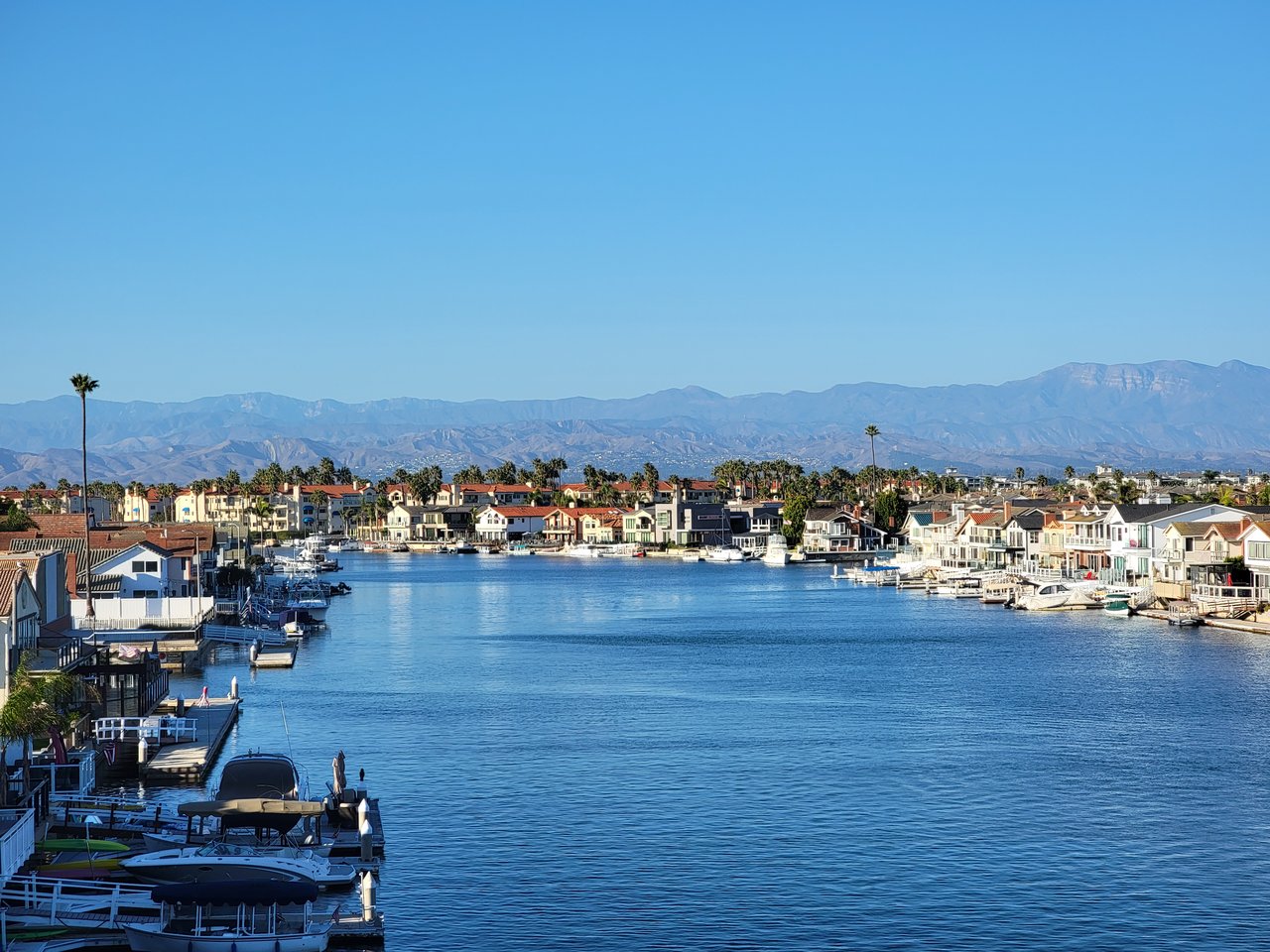
Fixed Dock vs Floating Dock Fixed docks are attached to pilings and remain at one elevation. Floating docks rise and fall with the tide. Each affects access and storm behavior differently.
Pilings and Pile Caps Vertical structural members that secure docks and define boundaries. Pile caps protect the top of pilings.
Fairway The open water channel within a harbor used for maneuvering and navigation.
Transient Slip Short-term rental space for visiting boats. Different from assigned long-term slips.
Pumpout and Sewage Disposal Marinas often provide pumpout stations and may require use to meet environmental rules.
Dredging and Harbor Maintenance Periodic sediment removal to maintain navigable depth. Schedules and permits can affect access and may lead to temporary restrictions or costs.
Marina Operator / Harbormaster The entity and official who manage daily operations, assign slips, and enforce rules and safety.
Oxnard harbor context you should know
Hollywood Beach and neighboring communities sit by two distinct facilities with different purposes:
- Channel Islands Harbor is a recreational harbor with multiple marinas and operators. Policies on liveaboards, slip assignments, and vessel limits can vary by marina.
- Port of Hueneme is a commercial port governed by the Oxnard Harbor District. It manages shipping operations and is separate from recreational marina governance.
In Oxnard and across Ventura County, multiple authorities can have a say in your plans. City departments, county offices, state agencies like the California Coastal Commission and Division of Boating and Waterways, and federal agencies such as the U.S. Coast Guard and Army Corps of Engineers can influence permits and use. Coastal development often needs to be consistent with the local coastal program.
Below mean high tide, lands are commonly subject to the public trust. Deeded ownership of the water parcel itself is uncommon without special conveyances. Many waterfront arrangements rely on leases, licenses, easements, and association rules. If your slip or dock is treated as real property, recorded documents will be on file with the Ventura County Recorder and may be assessed by the County Assessor.
Buyer and seller due diligence checklist
Use this checklist to reduce surprises and keep your transaction on track.
Confirm the legal status
- Identify whether the slip is deeded, leased, licensed, or an exclusive use right tied to an upland property.
- Pull recorded documents from the Ventura County Recorder: deed, lease, license, dockominium declaration, or assignments.
- Review transferability terms and any required marina approvals.
Review governing rules
- Read CC&Rs, marina rules, and operator agreements. Verify liveaboard policies, vessel size and type restrictions, guest and rental rules, and maintenance responsibilities.
- Confirm whether subleasing or transient use is allowed.
Assess the physical fit and condition
- Measure slip length and width, and check depth at mean low water.
- Verify your vessel’s LOA, beam, and draft against the slip specifications.
- Inspect pilings, docks, and electrical systems for rot, corrosion, and safety issues. Check access to electricity, water, and pumpout.
Understand navigation and access
- Ask about tidal limits, channel depth, and any bridge or clearance constraints.
- Review dredging history and upcoming projects that could impact access.
Quantify the costs
- Gather HOA or dockominium dues, slip or mooring fees, utility charges, insurance requirements, special assessments, and transfer fees.
- Review capital reserves and any history of deferred maintenance.
Confirm insurance and liability
- Verify minimum coverage requirements and whether the marina or HOA must be named as an additional insured.
- Clarify who is responsible for dock or finger pier repairs and damage.
Check taxes and valuation
- Ask the Ventura County Assessor whether a deeded slip is separately assessed.
- Review sales comparisons for similar slips in the same harbor and with the same ownership model.
Ensure regulatory compliance
- Confirm pumpout availability and sewage rules.
- Identify any pending permits or environmental mitigation that could affect use.
Clear title and encumbrances
- Run a title search for liens, easements, restrictions, or pending litigation.
Line up financing, if needed
- Ask lenders about acceptance of deeded dockominiums versus leased or licensed slips.
Evaluate hazards
- Review FEMA flood designations, consider flood insurance options, and look at local tsunami or sea-level rise resources.
Gather contacts and documents
- Get current marina policies, waiting list procedures, and details on planned capital projects from the operator or harbormaster.
Red flags to investigate early:
- Unclear deed versus license status, or missing recorded documents.
- Liveaboard expectations that do not match marina rules.
- Slip dimensions or depth that do not match your vessel’s LOA, beam, or draft.
- Underfunded reserves or known dredging delays that impact access.
Financing, insurance, taxes, and costs
Financing depends on ownership. Deeded dockominium slips are more likely to be treated as real property, though lenders can still be selective. Leased or licensed slips often cannot serve as collateral for a conventional mortgage. Buyers frequently use specialty marine loans or personal financing for non-deeded slips. If you need a loan, work early with lenders who understand dockominium collateral and local norms.
Insurance is typically layered. Boat insurance for hull and liability is separate from any property coverage for a deeded slip. Many marinas require proof of coverage and may require the marina or HOA to be named as an additional insured. If you own an adjacent upland home, remember that flood and tsunami risks often require separate flood insurance under NFIP or a private policy. If you own dock structures, consider coverage for dock damage and environmental liability.
Taxes and assessments vary. Deeded slips and dockominiums are often assessed independently. Leased slips are usually not separately assessed, though upland property values can reflect assigned-use rights. Also plan for HOA or dock association dues, special assessments for maintenance or dredging, and routine operational costs including utilities, repairs, and transient fees when relevant.
Market liquidity can be different from traditional housing. Slip values hinge on size, location within the harbor, proximity to the entrance, amenities like fuel and pumpout access, and whether the slip is deeded. Expect pricing to vary more by micro-location and ownership type than you might see in standard residential neighborhoods.
Who to contact and what to ask
Keep these resources handy as you verify details for a Hollywood Beach or Oxnard waterfront purchase or sale:
- City of Oxnard — Channel Islands Harbor office or relevant department: local ordinances, marina contacts, and liveaboard permit information.
- Oxnard Harbor District / Port of Hueneme: clarifies the commercial port’s role, which is distinct from recreational marinas.
- Ventura County Recorder’s Office: recorded deeds, easements, dockominium declarations, and liens.
- Ventura County Assessor: status of tax assessments for slips or dockominium units.
- California Coastal Commission: coastal permit questions, public trust considerations, and local coastal program consistency.
- California Division of Boating and Waterways: boating regulations and safety resources.
- U.S. Coast Guard: navigation rules and safety in the harbor.
- FEMA / NFIP / Ventura County Flood Control District: flood zone maps and insurance requirements.
- Local marina operators, harbormasters, and HOA or dockominium managers: current rules, fee schedules, reserve studies, and project plans.
- Qualified marine surveyors and local maritime attorneys: physical inspections and review of title or records.
Key questions to ask each party:
- “Is this slip deeded, leased, or licensed, and is there an assignment tied to an upland property?”
- “What are the transfer requirements and approvals for resale?”
- “What are the liveaboard limits and vessel size or age restrictions?”
- “What is the current depth at mean low water, and when was the last dredge?”
- “What are the monthly dues, reserve balance, and pending assessments?”
Ready to navigate Oxnard’s marina market?
Buying or selling around Hollywood Beach, Mandalay Bay, Westport, or the Channel Islands Harbor area involves more than a great view. It requires clarity on ownership, rules, and long-term costs so you can protect your lifestyle and investment. If you want a straightforward plan for your next move, I bring hands-on marina expertise and a client-first approach to every conversation. To take the next step, request a personalized plan for your slip or waterfront home.
Let’s talk about your goals, review your documents, and map your best options. Request your free home valuation and neighborhood guide with me at Unknown Company.
FAQs
Are boat slips real property in Oxnard?
- It depends on the ownership model. Some slips are deeded dockominium units that are assessed like real property, while others are leased or licensed. Always verify with recorded documents from the Ventura County Recorder.
Can I finance a boat slip near Channel Islands Harbor?
- Deeded dockominiums have better prospects for traditional mortgage financing. Leased or licensed slips often require specialty marine loans or personal financing. Ask lenders who know dockominiums.
Are liveaboards allowed in Oxnard marinas?
- Rules vary by marina and local policy. Many allow liveaboards with permits and conditions, while others restrict or prohibit them. Review the marina’s current rules before you commit.
Who handles dock and finger pier repairs?
- It depends on the deed, lease, or CC&Rs. Common elements are typically maintained by the marina or HOA, while assigned docks or finger piers may be the owner’s responsibility. Confirm in writing.
Will dredging or sea-level rise affect my slip?
- Possibly. Siltation and dredging schedules affect available depth and access. Long-term sea-level rise and coastal policies can influence flood risk, insurance costs, and what improvements are allowed. Review local plans and dredging history.
What is the difference between Channel Islands Harbor and Port of Hueneme?
- Channel Islands Harbor serves recreational boating with multiple marinas and operators. Port of Hueneme is a commercial port managed by the Oxnard Harbor District and operates separately from recreational marinas.