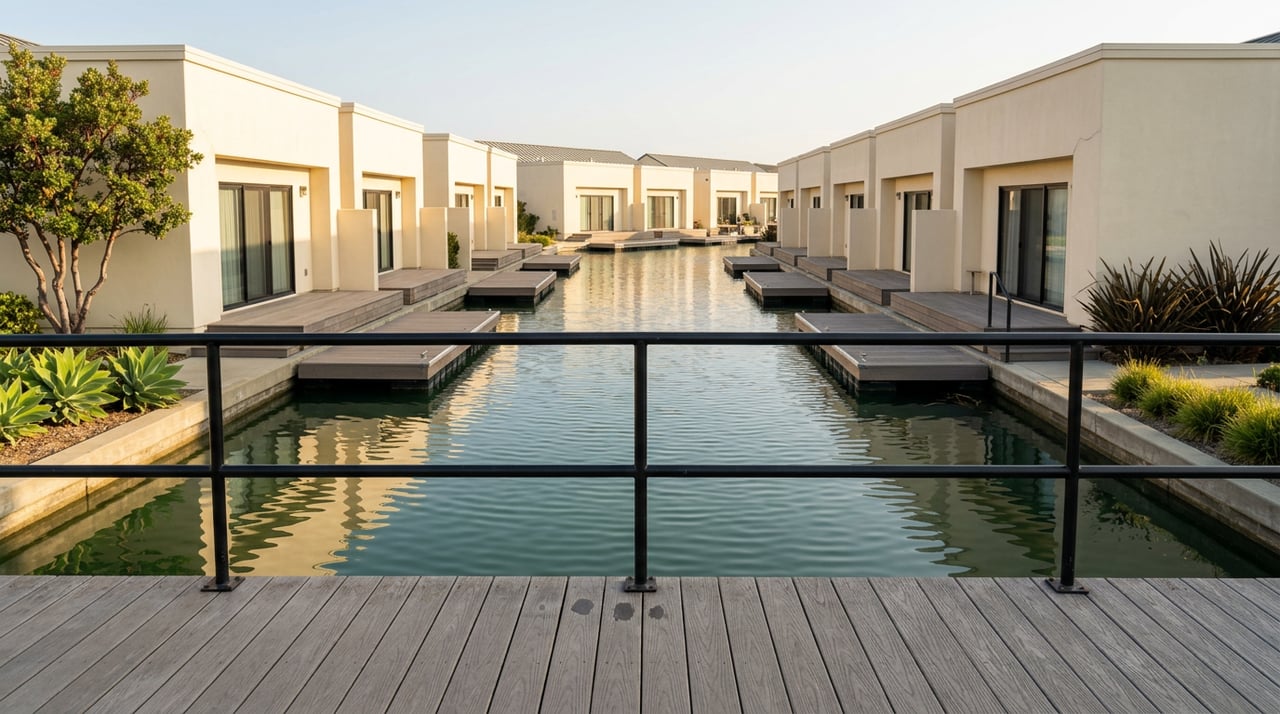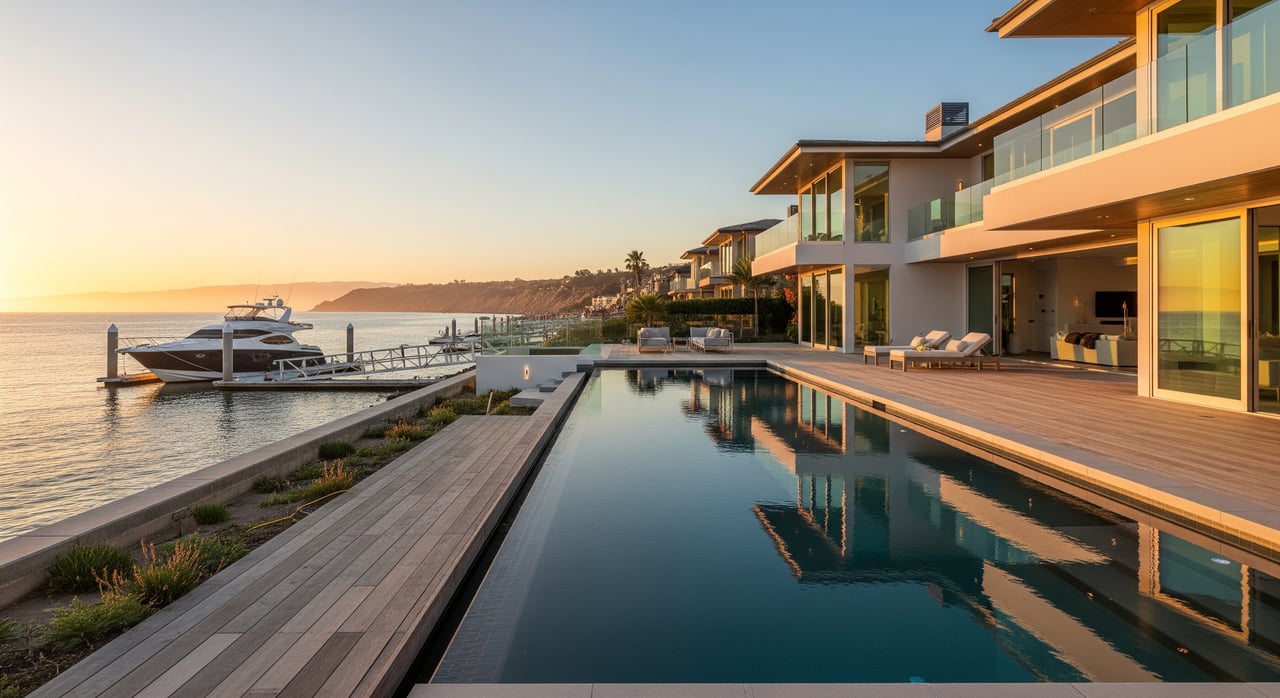
Pricing a waterfront home is not the same as pricing a street-side property. You want to honor the view, dock access, and coastal lifestyle while staying realistic about seawalls, flood zones, and financing. In this guide, you’ll learn how to price a Port Hueneme waterfront home near NAS Point Mugu with confidence. We’ll cover the key value drivers, common pitfalls, and a practical checklist you can use today. Let’s dive in.
Port Hueneme market reality
Waterfront homes in Port Hueneme are unique and the sample size of recent sales is small. That means you will rely on fewer, more specialized comparable sales and make qualitative adjustments for features like docks and seawalls. Market conditions and seasonality matter more on the coast, so focus on the last 3 to 6 months of sales. Proximity to NAS Point Mugu can support steady demand but may also narrow the buyer pool if aircraft noise is a concern.
How to approach comps
- Start with the closest, most recent waterfront sales in Port Hueneme and adjacent harbor neighborhoods.
- If direct comps are limited, expand to similar coastal areas and document every adjustment you make.
- Track list-to-sale trends and days on market to understand momentum and buyer urgency.
Waterfront features that move the price
Not all “waterfront” is equal. Two homes a block apart can command different prices based on usability, condition, and rights.
Access and water type
- Private dock or slip: A deeded, private slip with deep-water access often commands a premium. Leased or HOA-controlled slips are generally worth less than owned slips.
- Type of frontage: Oceanfront, harbor-front, canal, or bluff-top all carry different values and risk profiles. Usability and access matter as much as the view.
Shoreline protection and condition
- Seawalls/bulkheads: Condition, age, and permit history influence value and future costs. Saltwater exposure accelerates wear on decking, railings, and exterior finishes.
- Outdoor space: Lot orientation, usable patios, and wind exposure affect lifestyle and marketability.
Views and orientation
- Unobstructed views: Wider view corridors and favorable sightlines increase appeal. Document what you can see and how it compares to nearby sales.
Hazards and coastal rules to factor
Coastal homes carry specific risks and regulatory requirements. Pricing should reflect both present enjoyment and long-term responsibility.
Flood, erosion, and sea-level considerations
- FEMA flood zones: If the property sits in a Special Flood Hazard Area, lenders will require flood insurance. Insurance costs can influence what buyers are willing to pay.
- Erosion and sea-level rise: Evidence of shoreline retreat or coastal vulnerability can reduce value and make financing harder. Buyers weigh long-term exposure in their offer.
Permits and coastal governance
- Coastal permits: Repairs to seawalls, shoreline armoring, docks, or major exterior work often require coastal or local permits. Unpermitted work creates transfer risk and may need correction.
- Setbacks and expansion limits: Bluff-top or coastal-zone rules can restrict additions or reconstruction, which affects future plans and valuation.
Insurance, financing, and appraisal impact
Lenders, appraisers, and insurers treat waterfront differently. Factor these into your pricing strategy.
Insurance basics
- Flood insurance: Often required in mapped flood zones and sometimes recommended outside them. Premiums vary by elevation, construction, and mitigation features.
- Coverage gaps: Standard policies typically exclude flood, and some limit wind or saltwater intrusion. Seawall or erosion coverage can be limited.
Appraisal and underwriting
- Limited comps: Appraisers must justify adjustments for unique features like docks and seawalls. A thin comp set can lead to conservative valuations.
- Documentation helps: Clear permits, recent inspections, and insurance quotes can support value and give lenders confidence.
Legal and title items to verify
Ownership rights and recorded agreements can affect both value and financing.
Rights, easements, and records
- Dock/slip ownership: Confirm whether the slip is deeded, leased, or controlled by an HOA or harbor authority. Understand transferability and fees.
- Easements and access: Recorded access, utility easements, or public shoreline rights can limit exclusive use.
- Boundaries: Littoral rights and the mean high tide line can affect where private rights end. Complex cases may warrant a coastal boundary survey.
A practical pricing method
Use a step-by-step process to arrive at a defensible price, then pressure-test it against buyer expectations and lending realities.
Step 1: Build your comp set
- Gather the most recent waterfront sales in Port Hueneme and nearby harbor neighborhoods.
- Note dock ownership, slip size and depth, view quality, flood zone, seawall condition, and permit history.
Step 2: Adjust for waterfront quality
- Compare type of frontage, private access, and usability of outdoor areas.
- Account for differences in view corridors and orientation.
Step 3: Quantify risk and cost
- Factor in anticipated seawall or dock maintenance and any known mitigation needs.
- Include current insurance quotes for homeowner and flood policies.
Step 4: Consider lending and appraisal
- If comps are thin, budget for appraisal risk by setting a conservative list price or obtaining a pre-listing appraisal.
- Prepare documentation that supports your price and reduces uncertainty for lenders and buyers.
Step 5: Test against buyer pools
- Evaluate how NAS Point Mugu proximity might expand or narrow demand.
- Adjust for seasonality and current interest rate trends in coastal segments.
Pre-listing checklist for sellers
Use this as your preparation roadmap before you go to market.
- Pull recent waterfront comps and active/pending listings within the last 3 to 6 months.
- Order a preliminary title report, and identify any easements or leasehold interests for docks or slips.
- Confirm the FEMA flood zone and gather any elevation certificate.
- Compile permits for seawalls, docks, additions, and major repairs. Disclose any unpermitted work.
- Obtain current quotes for homeowner and flood insurance.
- Hire a coastal or structural engineer to evaluate seawalls or bluff stability if relevant.
- Prepare your Natural Hazard Disclosure and related California disclosures.
- Consider a pre-listing inspection or appraisal to help buyers and appraisers align on value.
NAS Point Mugu’s influence on pricing
Naval Base Ventura County, including NAS Point Mugu, plays a role in buyer demand around Port Hueneme. Steady local employment can support a baseline of interest among military personnel and contractors. At the same time, aircraft noise and security-related land use considerations can make some buyers more cautious. When pricing, be transparent about known noise contours and disclose any relevant information that may affect buyer expectations.
Bringing it all together
Pricing a Port Hueneme waterfront home requires more than a standard CMA. You will weigh dock ownership, seawall condition, flood zones, permits, insurance costs, and appraisal risk alongside view and location. A clear, documented approach reduces surprises, expands your buyer pool, and helps you achieve a confident list price.
If you are planning to sell or you want a second opinion on value, I can help you gather the right comps, verify dock and permit details, coordinate inspections, and position your home for today’s coastal buyers. Ready to move forward? Connect with Eric Swartz, LIV Sotheby's International Realty to request your free home valuation & neighborhood guide.
FAQs
How does dock ownership impact Port Hueneme pricing?
- A deeded, privately owned slip with deep-water access is typically more valuable than a leased or HOA-controlled slip, which can carry transfer limits and fees.
Do I need flood insurance for a Port Hueneme waterfront home?
- If the home is in a FEMA Special Flood Hazard Area, lenders will require flood insurance. Even outside mapped zones, many buyers obtain coverage due to coastal exposure.
How do seawall condition and permits affect value?
- Documented, well-maintained seawalls with permits support stronger pricing, while aging or unpermitted shoreline work can reduce value and complicate financing.
What is the effect of NAS Point Mugu on demand and price?
- The base supports steady demand from personnel and contractors, but aircraft noise and related considerations may narrow the buyer pool for some segments.
How should I handle limited comparable sales for waterfront homes?
- Use the most recent local waterfront comps available, expand thoughtfully to nearby coastal areas, and clearly document adjustments for docks, views, flood zones, and permits.
Which disclosures are required when selling a waterfront home in California?
- You must provide standard California disclosures, including Natural Hazard Disclosure, and disclose known conditions like flood zones, easements, encroachments, and unpermitted work.